
Even minor plumbing changes can significantly alter water composition. Retesting ensures that pipes, fixtures, and faucets are secure. This is vital for preventing backflow and maintaining water safety. Local authorities recommend annual inspections to uphold water quality standards, aligning with Jersey City’s guidelines.
Well water systems may require extra checks if a previous test fails. Confirming test results and disinfecting the source can address many issues. Implementing corrosion control and lead sampling protocols further mitigates risks from aging or faulty pipes. These measures ensure residents have confidence in their water supply.
Key Takeaways
- Small plumbing repairs can change water chemistry and require a follow-up test.
- Backflow prevention and annual device checks support strong water safety measures.
- Jersey City water testing standards provide clear guidelines for timely retesting.
- Well water sources may need a second test if an earlier sample fails.
- Corrosion control plans and lead sampling rules help protect local water quality.
- Disinfection and proper fixture upkeep further reduce contamination risks.
Understanding the Significance of Water Retesting After Plumbing Changes
After any plumbing work, retesting water is essential. It ensures no contaminants have entered the system. This is critical, given the presence of older pipes that may contain harmful metals.
Why Retesting Matters for Water Safety
Regular water sampling is key to identifying backflow or metal contamination. It’s a proactive measure to prevent health issues. Many follow plumbing retesting protocols to meet local standards and protect their families.
How Plumbing Repairs Affect Water Quality
Plumbing repairs can stir up debris in pipes. This debris may include harmful substances like lead or copper. To ensure water quality, retesting immediately after repairs is necessary. This confirms the water is safe for use. Such plumbing retesting protocols give peace of mind regarding water safety.
Identifying the Right Time to Schedule a Test
Timely water testing is essential to protect households from unexpected issues. Residents may notice changes in color, taste, or scent after plumbing replacements. These signs often indicate hidden impurities that can disrupt daily routines.
Checking samples at the first hint of trouble ensures easy detection of lingering concerns. This approach protects families seeking safe drinking water throughout the year.
Well owners often follow guidelines that suggest annual evaluations or immediate checks after storms damage equipment. Local rules may also influence the schedule, given older pipes’ increased risk of contamination. Planning a test at these critical moments reduces uncertainty.
This approach creates a baseline for ongoing quality assessments. It offers homeowners peace of mind as they strive for reliable and safe drinking water day after day.
Essential Factors That Influence Water Quality After Repairs
Plumbing work can stir up corrosion deposits, making it critical to assess pipe contamination risks thoroughly. Materials may degrade or shed particles, a concern in homes with older installations. Mechanical backflow prevention devices ensure water flows only one way, safeguarding household systems from pollutants.
Experts focus on two key areas that often affect water safety. Being aware of these can help prevent contaminants and ensure healthy tap water.
Pipe Age and Material
Older lead or galvanized lines are more susceptible to corrosion, leading to mineral leaching. Copper pipes can also deteriorate under specific conditions. Modern PVC or PEX materials are more durable, but regular inspections are necessary to prevent unseen pipe contamination risks as systems age.
Recent Water Disruption
Significant changes in water flow, like main breaks or sudden pressure shifts, can stir sediment or loosen metal particles. Early inspections and clear communication with local utilities are essential to confirm water quality remains stable after a disruption.
| Pipe Material | Key Considerations |
| Lead | High corrosion risk; test regularly |
| Galvanized Iron | Prone to rust; watch for discoloration |
| Copper | Less rust but may leach under low pH |
| PEX/PVC | Resistant to corrosion; maintain pressure stability |
Choosing a Reliable Lab for Water Analysis
Residents aiming to keep their water quality high should opt for labs with state or federal certification. These labs are equipped with calibrated instruments. They can detect everything from bacteria to metals like lead or copper. Their testing methods follow the Environmental Protection Agency’s standards, ensuring accurate and reliable results.
Choosing a reliable lab lets homeowners verify any unexpected test results. If readings seem incorrect, a retest can confirm or uncover issues. This process ensures accurate steps for fixing problems and prevents corrosion risks.
For Jersey City families and property owners, working with skilled specialists is essential. Accurate detection is vital for maintaining water quality at every stage of home care.
Jersey City water testing: Key Procedures to Follow
Ensuring safe drinking water is a collective effort. It involves following strict guidelines to minimize contamination risks. Adherence to local regulations is essential for maintaining public trust and safeguarding families. Following backflow prevention guidelines is also vital for upholding water quality standards.
Collecting Proper Water Samples
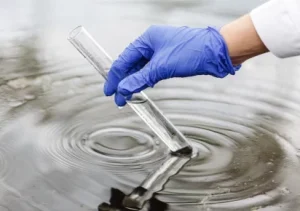
The process begins with flushing the faucet and then rinsing the tap area. Using sanitized or sterile containers is key to preventing contamination. Some homeowners label each container to track the sampling source accurately. This step is critical for avoiding confusion and ensuring precise results during lab analysis.
Interpreting Lab Reports Accurately
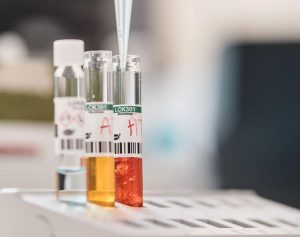
Lab results show if substances exceed safe limits. High levels of metals or nitrates might require filtration systems. Bacterial markers suggest the need for more frequent testing. By adhering to backflow prevention guidelines, property owners lower the risk of contaminants re-entering the water supply. Thoroughly reviewing these findings helps in resolving issues quickly and boosts confidence in water safety.
Signs That Indicate an Immediate Need for Retesting
Unusual tastes or strong odors can signal chemical imbalances that demand prompt water analysis. Discolored or murky water often suggests possible corrosion in older pipes. Leaks or sudden pressure drops raise questions about hidden damage that might contaminate the home’s supply.
Recurring rust streaks around fixtures and persistent staining on sinks may point to mineral buildup. Shifting water color or metallic hints prompt reevaluation of current retesting frequency. These symptoms may worsen without intervention, so a quick lab test can help identify any health risks.
Consulting qualified technicians keeps households informed when upgrades are necessary. Recognizing small warning signs, from odd tastes to malfunctioning faucets, lowers the chance of long-term complications. Careful monitoring and supportive testing provide an added layer of safety.
| Possible Indicator | What It Could Mean | Recommended Action |
| Foul Odor | Bacterial or chemical presence | Order immediate water test |
| Metallic Taste | Heavy metal corrosion | Check once pipes show wear |
| Pressure Drop | Leaks or hidden damage | Schedule professional inspection |
How Plumbing Upgrades May Raise Contaminant Risks
Renovations that introduce new fixtures or water treatment systems can awaken hidden issues. The process may dislodge corrosion deposits that were previously stable, mixing them with your water supply. This change in water chemistry could increase the presence of metallic elements, more so in older pipelines.
New additions can also compromise existing air gap protections. The exact risk depends on the mechanical backflow preventer’s type. If it’s not right for the site or installed wrong, contaminants might flow back into tap lines. Hiring licensed plumbing professionals mitigates these risks through meticulous planning and correct device selection. They ensure each upgrade meets local codes, preventing unwanted substances from entering.
When older pipe sections are replaced, changes in flow rate can dislodge settled material. This can raise turbidity and pose health risks if not monitored. Consulting with licensed plumbing professionals is key to ensure new piping doesn’t disrupt flow patterns. Regular testing is essential to confirm water quality post-upgrade.
Preventive Measures for Maintaining Safe Water Quality
Ensuring clean, reliable water requires proactive steps to minimize contamination risks. Many cities enforce regular checks on cross-connection devices to safeguard household plumbing from backflow. Partnering with water testing labs offers timely insights into your system’s health.
Inactive pipes and outdated fixtures can lead to bacterial buildup or metal deposits. Experts recommend addressing these issues before they escalate. Regular visits to water testing labs help identify trouble spots, enabling homeowners to act quickly.
Regular System Flushing
Flushing taps regularly removes stagnant water that can cause corrosion or microbial growth. This is essential for homes with busy schedules or those that sit idle for long periods. Running water briefly in each fixture keeps plumbing lines fresh and improves flow.
Seasonal Inspection Routines
Extreme temperatures and shifting ground can cause cracks and leaks. Seasonal inspections of exposed fixtures and backflow assemblies are critical. They uncover issues that could impact water purity. Regular checks in spring or fall prevent minor problems from becoming major ones.
Homeowner Responsibilities for Water Safety
Water quality is a critical concern for every household. Property owners who track repairs and monitor test results contribute to community water safety. They also protect their families.
Routine inspections and quick responses to risks save time and money. Checking with local environmental offices can reveal contamination sources needing immediate action.
Staying Updated on Local Water Advisories
Public notifications often come from city or county health departments. Changes in water pressure, main line events, and contamination alerts are shared on official channels. These bulletins help residents prepare and respond to threats.
The city’s Cross Connection Control program is a key resource for those planning plumbing changes. It ensures compliance with safety codes.
Working With Licensed Plumbing Professionals
Certified experts follow strict protocols to prevent backflow and other hazards. Working with experienced contractors allows homeowners to verify code requirements. This ensures system integrity and upholds community water safety.
In cases of test failures, many states advise contacting dedicated environmental offices. They clarify next steps.
| Responsibility | Reason |
| Monitor Local Advisories | React to water alerts before hazards escalate |
| Hire Licensed Plumbers | Guarantee compliance with safety codes |
| Contact Cross Connection Control | Receive guidance on preventing backflow issues |
| Follow Up on Test Results | Avoid prolonged exposure to unseen contaminants |
Comparing Retesting Methods for Accuracy
Retesting is essential when initial results show unexpected findings. A second sample provides critical assurance, vital when the first test suggests a health risk. This process enhances confidence in the accuracy of the data, supporting homeowner water responsibilities.
Short stagnation times help detect metals that settle in pipes. On the other hand, multi-liter protocols offer a wider view of contaminants. Each method targets different risks, making consistent methods key for reliable results. Tiered approaches, including first-draw and subsequent draws, uncover exposure levels that single tests might miss.
By combining these strategies, we verify lab findings and see if improvements have been made. Regular retesting enables communities to uphold homeowner water responsibilities and ensure safer drinking water. Comparing different methods helps address unique issues and keeps water safety goals on track.
Testing Frequency Recommendations
Properties need regular water checks to meet changing demands. A systematic approach ensures safety and uncovers hidden contaminants. Experts often suggest annual tests, but the right frequency depends on usage and risk levels.
Several factors influence the ideal testing schedule. For instance, old plumbing, lead fixtures, or changes in local water treatment might necessitate more frequent checks. Private wells require special attention due to natural groundwater fluctuations.
- Historic pipe materials
- Local advisories
- Utility disruptions
Factors Affecting Testing Intervals
Environmental changes and ongoing upkeep are key considerations. Regular monitoring provides a detailed understanding of water quality. Some guidelines recommend yearly well inspections to detect issues early.
When to Consider Post-Renovation Tests
Major plumbing work or pipe replacements increase contamination risks. An immediate test ensures safety and protects health.
| Water System | Recommended Interval | Reasoning |
| Private Wells | Annual Checkup | Track microbial and chemical changes |
| Community Supply | Annual or Biannual | Assess distribution system shifts |
| Post-Renovation | Immediate | Confirm safety of new installations |
Understanding Possible Contaminants After Plumbing Work
Renovations can stir up particles in pipes, causing sediment to cling to walls. This sediment can then enter the water supply, posing health risks. Homeowners should consider regular testing to detect heavy metal contaminants and other pollutants early on.
Lead, Copper, and Heavy Metals
In older homes, lead is a significant concern, often due to corrosion in aging pipes. Copper can also contaminate water if its protective coatings wear off. Experts stress the importance of monitoring for heavy metal contaminants to protect families from long-term health effects.
“Lead is a persistent public health issue and requires ongoing monitoring in older water systems.” U.S. Environmental Protection Agency
Microbial and Organic Risks
Bacteria like E. coli can build up if plumbing areas are not properly flushed or disinfected. Organic byproducts may also appear when stagnant water reacts with decaying matter in pipes. Regular testing is essential for accurate results and swift action by qualified professionals.
Budgeting for Long-Term Water Safety
Homeowners often plan their water expenses on a monthly or yearly basis to ensure a steady supply. Costs can include treatments for corrosion, replacement of filters, and regular well inspections. These measures are essential for maintaining household health and extending the life of plumbing systems. Regular disinfection of private wells and routine pump maintenance also help avoid unexpected breakdowns.
The Environmental Protection Agency (EPA) advises a detailed examination of home water treatments. Establishing a yearly budget aids in achieving long-term water safety goals and alleviates concerns about sudden repair expenses. Having a dedicated fund for emergency repairs can also reduce stress in case of pipe corrosion or filtration issues.
Allocating funds for replacement filters and testing kits ensures the reliability of your systems. Some families work with local water experts to schedule regular maintenance. This approach enhances efficiency and helps monitor changing needs over time.
| Expense Type | Typical Interval | Estimated Range |
| Filter Cartridge Changes | Every 3–6 Months | $30–$100 |
| Corrosion Control Service | Annually | $50–$200 |
| Well Pump Inspection | Yearly | $100–$300 |
| Private Well Disinfection | As Needed | $50–$150 |
Leveraging Professional Advice and Certification
Water safety hinges on proper oversight and recognized expertise. Property owners seek evidence of training and deep knowledge when looking for assistance. Certified professionals excel in identifying risks and guiding maintenance steps. They uphold a high standard of protection.
State and Local Guidelines
Many regions endorse contractors with credentials from the American Water Works Association (AWWA). These experts install and inspect backflow devices using approved methods. Agencies set rules to prevent unregulated practices and ensure compliance. Following these guidelines protects homes from contamination events.
Water Testing Certification Bodies
Independent labs with professional water certifications meet strict benchmarks. State-certified facilities use advanced tools for accurate readings, boosting trust in their results. Partnerships with accredited services bring confidence to routine checks or post-repair analyses. These endorsements demonstrate consistent quality in every test.
Best Practices to Preserve Optimal Water Quality
Maintaining clean drinking water starts with consistent prevention. A thorough inspection of plumbing systems reveals weak points where contaminants can enter. Implementing corrosion control measures, such as pH balancing, protects pipes from harmful buildup and sudden leaks. This approach ensures stability and reinforces best plumbing practices for safer, long-lasting water lines.
Household Maintenance Tips
Regular checks on fixtures and valves are essential for smooth water flow. Using certified lead-free taps and flushing frequently reduces stagnant water risks. Scheduling yearly backflow device inspections minimizes cross-connection risks. By adhering to best plumbing practices, homeowners can trust the safety of their faucets and showers.
Community Resources and Programs
Many municipalities offer grants or rebates to encourage replacing deteriorating service lines. Educational events highlight emerging risks, teaching residents about current testing methods. Neighborhood councils collaborate with local agencies to keep systems free from threats. Collective vigilance ensures water quality and supports public health across the region.
Ensuring Peace of Mind Through Regular Retesting
Retesting is essential to confirm the effectiveness of solutions like shock chlorination or new filtration systems. It acts as a critical measure of ongoing water safety. Any repair or upgrade can alter the balance of minerals and contaminants. Regular checks ensure corrosion inhibitors are effective and backflow prevention programs remain reliable.
Continuous monitoring is key to tracking changes in lead and copper levels over time. This alerts households to emerging risks that may infiltrate pipes. Routine assessments provide clear insights, enabling homeowners to stay ahead of hidden concerns. Ongoing water retests are part of a broader maintenance plan, including annual tune-ups and regular system flushing.
Peace of mind grows when families know their taps are free from contaminants. Retesting serves as a practical shield, protecting everyone who relies on safe water. A proactive mindset fosters trust in Jersey City’s plumbing networks and ensures public health remains on track.
FAQ
Why is retesting necessary after plumbing changes?
Retesting is essential to confirm that new pipes or fittings do not introduce contaminants. It ensures that cross-connection control devices function correctly. It also verifies that the water meets safety standards set by local authorities and programs like corrosion control initiatives.
Which contaminants should homeowners be most concerned about?
Homeowners should worry about heavy metals like lead and copper, which can leach from corroding pipes. Those with wells need to monitor for biological contaminants and chemicals like nitrates or arsenic. Annual inspections and corrosion control programs, including pH adjustments or phosphate dosing, help prevent these issues.
What role do mechanical backflow prevention devices play in water safety?
These devices prevent water from flowing backward, stopping pollutants from entering the drinking supply. They create a one-way barrier, protecting against cross-contamination. Many municipalities require their installation and annual testing to ensure safety and compliance with regulations.
How can failed well water tests be addressed quickly?
First, verify initial results with a state-certified lab retest. If contamination is confirmed, shock chlorination of the well, verifying seals, and adjusting water chemistry can help. After remediation, a follow-up test confirms the water is safe to use.
When should a property owner schedule a post-repair water test?
Test after any major plumbing work, like pipe replacements or repairs that might disrupt corrosion layers. Even minor upgrades, like installing a new water softener, may require retesting. Annual inspections ensure ongoing compliance with municipal regulations.
Why is continuous monitoring important for corrosion control?
Corrosion control programs stabilize water chemistry, usually by adjusting pH or adding inhibitors. Continuous testing, often following lead sampling protocols, detects fluctuations in lead and copper levels. If a system upgrade or water main break occurs, additional checks verify contaminants remain within safe ranges.
Are older homes more prone to water safety issues?
Yes, older homes with lead or galvanized pipes are at higher risk. Over time, these materials can corrode and release metals into drinking water. Annual inspections and proper backflow prevention measures help mitigate risks. Upgrading to modern materials also enhances safety.
What are some best practices for collecting water samples?
State-certified labs recommend cleaning faucet aerators, flushing stagnant water, and using sterile containers before collecting samples. These steps help avoid false positives and ensure accurate readings for bacteria, metals, and chemicals. Homeowners following these protocols can better interpret test results and act on them if needed.
How often should well water be tested for contaminants?
Annual testing is advised, but more frequent checks are needed in certain scenarios. Test immediately if water appears discolored, develops unusual odors, or if significant plumbing changes could have re-mobilized deposits. CDC guidance also encourages well owners to be vigilant after major weather events.
Where can homeowners find qualified experts for water testing or device installation?
Many cities list AWWA licensed mechanical contractors for device installation and inspection. For analysis, contact state-certified environmental labs recognized by local health departments. Partnering with experts familiar with cross-connection control and corrosion control measures ensures safe and compliant water systems.