
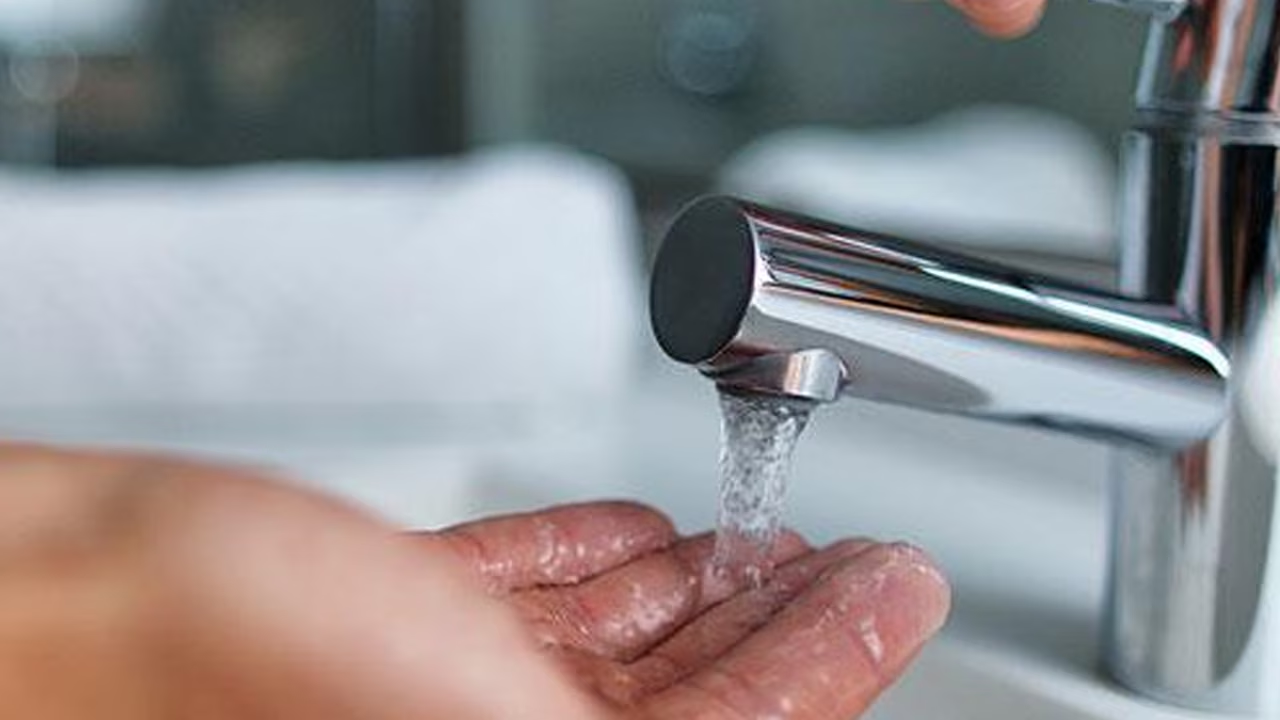
When tenants think about water quality problems, they usually picture rusty cold water or a metallic taste from the kitchen tap. But in many Jersey City apartment buildings, it’s actually the hot water that can quietly signal deeper plumbing problems.
Because hot water feels “normal” warm showers, steaming sinks, no visible discoloration residents often overlook it. Yet temperature plays a major role in corrosion, metal leaching, and plumbing deterioration.
In older multi-unit buildings across Jersey City, hot water may be masking issues that deserve closer attention.
Why Hot Water Behaves Differently Than Cold
Hot water is more chemically reactive than cold water. As temperature increases, water dissolves metals more easily. That means if pipes, fittings, or valves contain trace metals, heated water can pull more of those materials into solution.
According to the U.S. Environmental Protection Agency (EPA), corrosion of plumbing materials is the primary source of metals like lead and copper in drinking water (https://www.epa.gov/ground-water-and-drinking-water/basic-information-about-lead-drinking-water).
In apartment buildings where water travels through aging risers or shared distribution lines, hot water can accelerate this process.
Residents who review general local water information sometimes assume municipal treatment is the issue. In reality, temperature-related corrosion usually happens inside the building’s plumbing.
Water Heaters Can Hide Sediment Problems
In many Jersey City apartment complexes, hot water is stored in centralized boiler systems or individual unit heaters. Over time, sediment builds up inside tanks.
That sediment may include:
- Mineral scale
- Rust particles
- Corrosion byproducts
When water heats and circulates, those materials can mix into the supply.
Unlike dramatic discoloration, these issues often go unnoticed because:
- The water may remain clear
- The taste difference is subtle
- Tenants attribute dryness or irritation to other causes
If hot water hasn’t been tested independently, problems can go undetected.
Professional water testing services can compare hot and cold samples to identify whether corrosion or sediment buildup is contributing to elevated metal levels.
Hot Showers and Steam Exposure
Many residents don’t drink hot tap water but they shower in it daily.
When hot water turns to steam, trace contaminants can aerosolize. While ingestion is typically the primary exposure pathway for metals like lead, elevated levels anywhere in the plumbing system warrant investigation.
If multiple tenants report:
- Skin dryness
- Strong chlorine smell in showers
- Metallic odor from hot water
- Staining around tubs
it may indicate a building-wide plumbing concern.
In older Jersey City locations, aging infrastructure combined with centralized heating systems can amplify these effects.
Temperature Accelerates Pipe Deterioration
In apartment buildings constructed before the late 1980s, plumbing may include:
- Copper pipes with older solder
- Galvanized steel lines
- Brass fittings containing trace lead
Hot water passing repeatedly through these materials accelerates internal wear.
Even renovated apartments may still rely on shared vertical risers that were never replaced.
Educational resources in the company’s blog explore how corrosion patterns develop differently in hot and cold lines.
Why Tenants Often Miss the Warning Signs
Hot water problems rarely look dramatic.
Unlike cold water discoloration, hot water may:
- Appear clear
- Smell slightly stronger but not alarming
- Taste only subtly different
Because tenants expect hot water to feel different from cold, small changes are often ignored.
But if hot water consistently shows higher metal levels than cold during testing, it’s a sign corrosion is occurring somewhere in the system.
Common testing concerns are addressed in the FAQ section for residents who want to better understand sampling procedures.
When Apartment Residents Should Be Concerned
Consider further evaluation if:
- Hot water tastes metallic
- Shower water has a strong odor
- Water heaters haven’t been flushed in years
- The building was constructed before 1986
- Neighbors report similar issues
If you’re unsure whether your apartment’s plumbing has been updated, reaching out through the contact page allows you to schedule professional testing tailored to your building type.
The Risk of Assuming Hot Water Is “Fine”
Many tenants believe that because they don’t drink hot tap water, it doesn’t matter.
But elevated metal levels in hot water often indicate:
- Ongoing pipe corrosion
- Sediment accumulation
- Aging infrastructure
- Inconsistent maintenance
These are building-wide concerns not just aesthetic issues.
Left unaddressed, corrosion can worsen over time and eventually affect cold water lines as well.
Why This Is Especially Relevant in Jersey City
Jersey City’s apartment landscape includes:
- Pre-war walk-ups
- Mid-century high-rises
- Converted industrial lofts
- Modern towers connected to older systems
That mix means plumbing systems vary widely. In some buildings, cosmetic renovations hide infrastructure that hasn’t been fully replaced.
Hot water systems, particularly centralized boilers in multi-unit buildings, can quietly amplify underlying issues.
Final Thoughts
Hot water in Jersey City apartments may be masking serious issues not because it looks alarming, but because temperature accelerates corrosion and sediment movement inside plumbing systems.
Clear water doesn’t always mean low metal levels. Warm water doesn’t always mean safe water.
Testing both hot and cold samples provides a complete picture of what’s happening behind the walls.
If you live in an apartment building especially one built decades ago don’t assume hot water is harmless simply because it feels normal.
Verification brings clarity. And clarity protects everyone in the building.