
In Jersey City, property owners often invest in visible upgrades first new kitchen faucets, modern bathroom fixtures, sleek showerheads. These updates improve appearance and sometimes even boost property value.
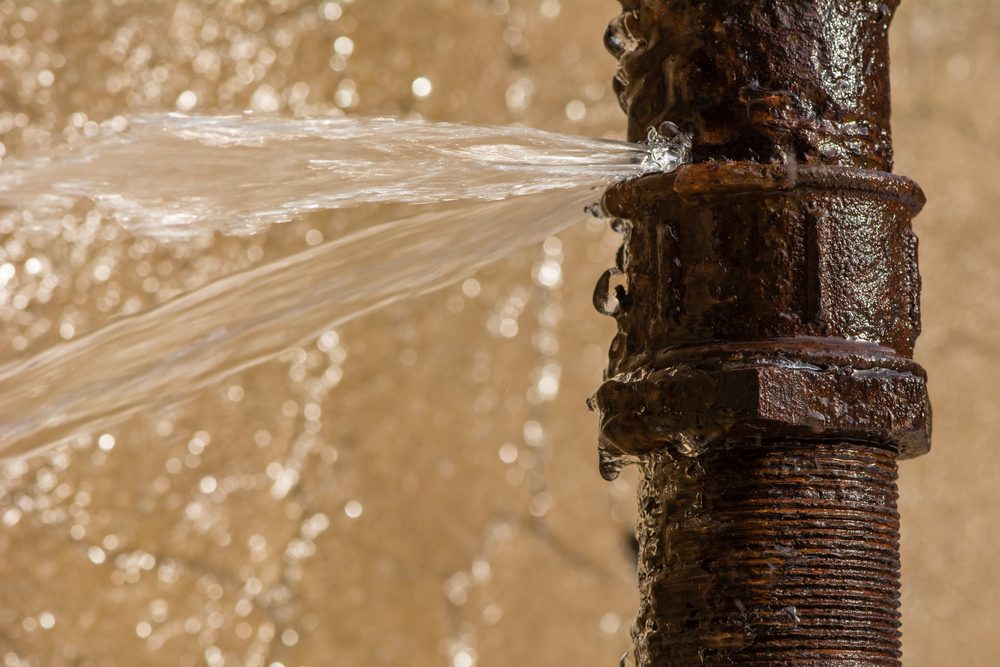
But here’s the problem: replacing fixtures does not replace the plumbing system behind the walls.
Many homeowners, landlords, and condo boards assume that installing new “lead-free” faucets or stylish fixtures solves water quality concerns. In reality, those upgrades address only the final few inches of a much larger system.
In a city with historic buildings and mixed-age infrastructure, understanding the difference is critical.
Fixtures Are Just the End of the Line
When water enters your building, it travels through:
- Underground service lines
- Main supply pipes
- Vertical risers (in multi-unit buildings)
- Branch lines
- Shutoff valves
- Finally, the faucet
Replacing the faucet only affects the last step.
According to the U.S. Environmental Protection Agency (EPA), lead and other metals most commonly enter drinking water through corrosion of plumbing materials including pipes and solder not from the treatment plant (https://www.epa.gov/ground-water-and-drinking-water/basic-information-about-lead-drinking-water).
If older pipes remain in place, the potential source of contamination still exists.
Jersey City’s Infrastructure Reality
Jersey City’s housing stock spans more than 100 years. Many properties from brownstones to mid-century apartment buildings were constructed before modern plumbing standards were adopted.
Even renovated condos may still rely on:
- Aging copper pipes with older solder joints
- Galvanized steel lines
- Shared vertical risers
- Legacy service connections
Reviewing general local water information may confirm that municipal water meets regulatory standards, but once that water enters older plumbing, corrosion becomes a building-specific issue.
New fixtures don’t change the condition of pipes installed decades ago.
Why Cosmetic Renovations Can Be Misleading
Kitchen remodels and bathroom upgrades are often surface-level improvements. While contractors may replace visible components, full pipe replacement is far more expensive and invasive.
As a result, many Jersey City renovations leave:
- Internal risers untouched
- Main supply lines intact
- Wall-embedded pipes unchanged
This creates a false sense of security. Residents see modern fixtures and assume the entire plumbing system is modern as well.
But water quality is determined by the entire plumbing network not just the faucet.
Professional water testing services can determine whether corrosion inside older pipes is still contributing metals at the tap.
Condos and Multi-Unit Buildings Add Complexity
In apartment buildings and high-rises, plumbing systems are shared.
Even if you upgrade fixtures inside your unit, water may still travel through:
- Older building risers
- Centralized water heaters
- Mixed-era fittings
Buildings in certain older locations may face elevated corrosion risk simply due to age and construction era.
In these cases, individual fixture replacement does nothing to address shared infrastructure.
Condo boards and property managers must evaluate building-wide plumbing systems not just visible upgrades inside units.
Why Corrosion Still Matters
Corrosion occurs when water reacts with metal pipes over time. Factors that influence corrosion include:
- Water temperature
- pH balance
- Mineral content
- Pipe age
- Flow rate
Even modern faucets labeled “lead-free” can legally contain trace amounts of lead in brass components. While the levels are significantly lower than older fixtures, they do not eliminate exposure if upstream pipes are deteriorating.
Educational resources in the company’s blog explore how corrosion develops and why full system evaluation is often necessary.
Common testing questions are also addressed in the FAQ section for property owners seeking clarity.
When Replacing Fixtures Makes Sense
Upgrading fixtures can still be beneficial:
- It reduces potential contribution from older faucet materials.
- It improves aesthetics and functionality.
- It may slightly lower exposure risk at the final connection point.
But it should never be viewed as a complete solution for aging infrastructure.
If you want to know whether old pipes are still affecting your water, testing is the only reliable way to confirm.
The contact page provides direct access to professional evaluation for homeowners, landlords, and condo associations.
Why Full Plumbing Assessment Matters in Jersey City
Jersey City’s rapid development has created neighborhoods where historic buildings sit next to newly constructed towers. Even new developments may tie into older municipal lines.
Because plumbing conditions vary by address, assumptions can be misleading.
A building with brand-new fixtures may still have:
- Corroded internal pipes
- Aging service lines
- Sediment buildup in shared systems
Replacing visible components without assessing the full system is like repainting a wall without checking for structural damage behind it.
Final Thoughts
Replacing fixtures in Jersey City improves what you see but it doesn’t fix what you can’t see.
Old building pipes continue to influence water quality long after faucets are upgraded.
If your goal is true water safety and long-term infrastructure protection, fixture replacement should be paired with proper testing and system evaluation.
Modern hardware doesn’t guarantee modern plumbing.
And when it comes to water quality, what’s behind the walls matters most.