
Renovating a kitchen or bathroom in Jersey City feels like a fresh start. New pipes, new fixtures, updated finishes everything looks cleaner and more modern.
But what many homeowners, landlords, and condo boards don’t realize is that plumbing renovations can temporarily increase contamination risk.
Any time pipes are cut, replaced, reconnected, or disturbed, sediment and corrosion buildup inside the system can shift. That’s why post-renovation water testing is one of the most overlooked yet important safety steps.
If you’ve recently completed plumbing work, here’s why testing afterward matters.
Renovations Disturb Sediment Inside Pipes
Over years or decades, plumbing systems accumulate:
- Rust particles
- Mineral scale
- Corrosion byproducts
- Metal fragments
When contractors open walls and cut into pipes, those materials can loosen and travel through the system.
Even if new sections of pipe are installed, older upstream plumbing may remain in place. Disturbing connections can dislodge built-up debris and temporarily increase metal levels at the tap.
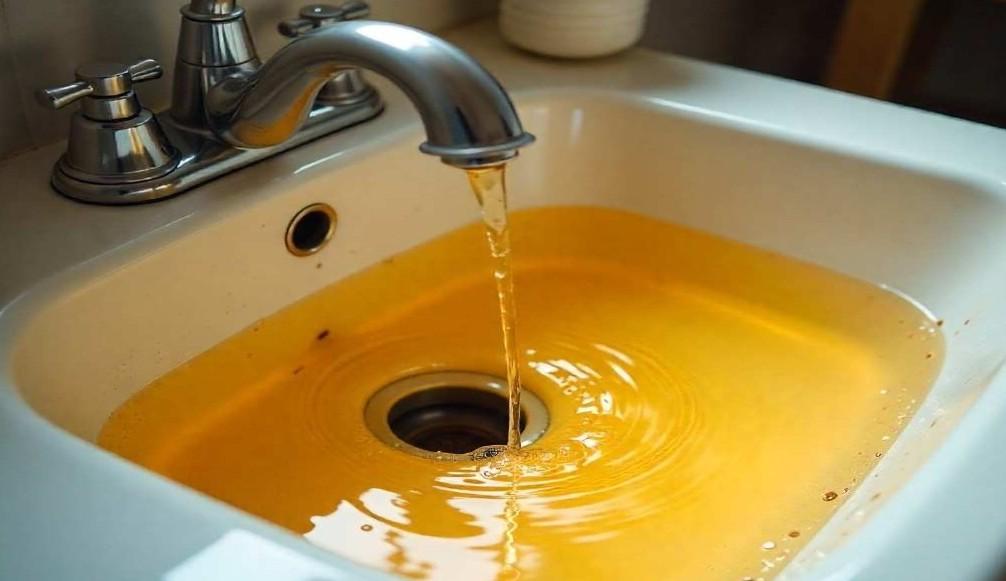
Residents reviewing general local water conditions often assume municipal supply is responsible for discoloration after construction. In many cases, the issue is internal and renovation-related.
Lead and Copper Levels Can Spike Temporarily
According to the U.S. Environmental Protection Agency (EPA), lead enters drinking water primarily through corrosion of plumbing materials (https://www.epa.gov/ground-water-and-drinking-water/basic-information-about-lead-drinking-water).
When plumbing work occurs:
- Old solder joints may be exposed
- Galvanized sections may be disturbed
- Brass fittings may be replaced
- Protective mineral scale layers may be scraped away
That disturbance can temporarily increase lead or copper levels, especially in first-draw water.
Testing shortly after renovations ensures those levels return to normal or identifies if further flushing or corrective action is needed.
New Fixtures Don’t Eliminate Old Infrastructure
In Jersey City, many renovations are partial updates.
A contractor may replace:
- A section of copper pipe
- Kitchen supply lines
- Bathroom shutoff valves
But vertical risers, service lines, or deeper branch plumbing often remain untouched.
Buildings in certain older locations may still contain aging galvanized pipes or legacy materials behind walls.
Without testing, there’s no way to confirm how new connections are interacting with old infrastructure.
Professional water testing services can evaluate both first-draw and flushed samples to assess whether corrosion is occurring after renovation.
Why Flushing Isn’t Always Enough
Contractors typically flush lines after completing work. While flushing removes loose debris, it may not fully address:
- Elevated metal concentrations
- Changes in pH balance
- Corrosion control disruption
- Sediment trapped deeper in the system
In multi-unit buildings, plumbing renovations in one unit can even affect adjacent apartments if shared risers are involved.
Testing verifies that the system has stabilized rather than relying on visual clarity alone.
Educational resources in the company’s blog explain how corrosion layers form and why disturbing them can temporarily change water chemistry.
Common sampling questions are also addressed in the FAQ section.
When to Test After Renovation
Water testing is especially important if:
- Your home was built before 1986
- Lead solder may have been present
- Galvanized pipes were connected to new copper
- Service lines were partially replaced
- The renovation involved cutting into older sections
Ideally, testing should occur:
- After initial flushing
- Once water has returned to normal usage patterns
- Before infants or young children resume regular tap water consumption
If you’d like to arrange post-renovation testing, the contact page provides direct assistance.
Short-Term Precautions After Plumbing Work
While waiting for testing or stabilization:
- Run cold water for several minutes before use
- Avoid using hot tap water for drinking or cooking
- Clean faucet aerators to remove debris
- Monitor for discoloration or unusual taste
These steps reduce exposure while ensuring the system clears properly.
Why This Matters in Jersey City
Jersey City’s housing landscape includes:
- Historic brownstones
- Mid-century apartment buildings
- Converted industrial spaces
- New condos tied into older infrastructure
In properties where plumbing systems have been updated in stages over decades, renovations create junction points between new and old materials.
Those junctions are where corrosion and leaching are most likely to occur.
Testing ensures that improvements haven’t unintentionally created temporary water quality issues.
Final Thoughts
Plumbing renovations improve comfort and property value but they can also disturb contaminants hidden inside aging pipes.
Clear water after construction doesn’t automatically mean stable water.
Testing after renovation confirms that metal levels are within safe ranges and that your updated system is functioning properly.
In Jersey City, where plumbing history often spans generations, verification is the final step of any successful renovation.
Upgrade the fixtures. Improve the space. But always test afterward.