
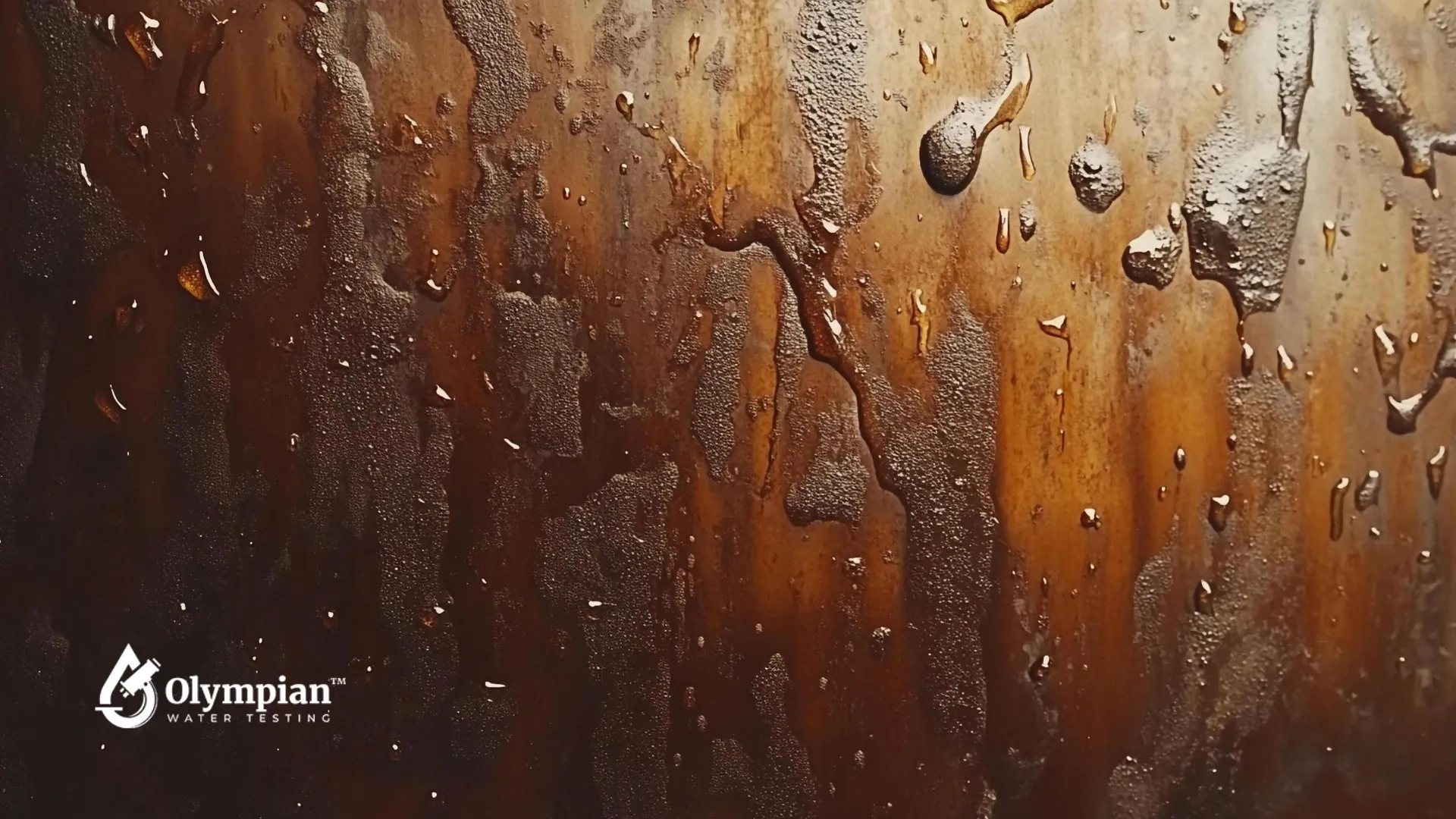
If you turn on your tap in Jersey City after nearby construction and see brown water, the most common assumption is simple: “It’s just rust.”
Sometimes that’s true.
But not always.
Brown or yellow-tinted water after water main repairs, plumbing renovations, or street excavation can signal more than loose iron sediment. In some cases, construction-related disturbances can temporarily elevate other contaminants including metals that aren’t visible to the eye.
Understanding what brown water really means helps you respond appropriately.
Why Construction Changes Water Appearance
When water main work or plumbing renovations occur, several things happen inside the system:
- Pressure shifts
- Flow direction changes
- Vibrations travel through service lines
- Sediment layers are disturbed
Over time, pipes naturally accumulate corrosion scale a mixture of iron, mineral deposits, and other byproducts. When that buildup is shaken loose, it enters the water flow.
According to the U.S. Environmental Protection Agency (EPA), corrosion inside plumbing systems is a primary pathway for metals such as lead and copper to enter drinking water (https://www.epa.gov/ground-water-and-drinking-water/basic-information-about-lead-drinking-water).
While iron often causes the brown color, other materials can be released at the same time even if they aren’t visible.
Iron Is Common But It’s Not the Only Concern
Iron is the most visible cause of brown water. It can create:
- Reddish or tea-colored tint
- Staining in sinks and tubs
- Temporary metallic taste
At typical concentrations, iron is considered an aesthetic issue rather than a serious health hazard.
However, brown water can also indicate:
- Disturbed manganese
- Galvanized pipe corrosion
- Dislodged lead particles trapped in scale
- Sediment from service lines
That’s why assuming it’s “just rust” without verification can overlook underlying plumbing issues.
Residents reviewing local water information may see that municipal systems meet regulatory standards but construction disturbances often affect private plumbing as well.
Galvanized Pipes and Legacy Infrastructure
In older Jersey City locations, galvanized steel pipes were commonly installed decades ago. These pipes can trap lead particles over time, especially if they were once connected to lead service lines.
When construction changes pressure, galvanized pipes may release both iron and previously absorbed contaminants.
The water may look brown because of iron but invisible metals may be present too.
Professional water testing services can determine whether levels have returned to baseline after construction.
How Long Does Brown Water Last?
In many cases, brown water clears within a few hours after flushing.
Running cold water for several minutes often removes loose sediment. Cleaning faucet aerators can also help clear trapped debris.
However, if discoloration:
- Persists longer than 24 hours
- Returns repeatedly
- Is accompanied by strong metallic taste
further evaluation is recommended.
Educational resources in the company’s blog explain how corrosion scale behaves during pressure shifts.
Common post-construction water concerns are also addressed in the FAQ section.
Why Brown Water May Signal a Larger Issue
While iron is usually the main cause, brown water after construction can indicate:
- Aging internal plumbing
- Weak corrosion control
- Service line deterioration
- Sediment accumulation in water heaters
If construction occurs frequently in your neighborhood, repeated disturbances may reveal underlying vulnerabilities in older pipes.
In multi-unit buildings, pressure changes can travel through shared risers, affecting multiple apartments simultaneously.
Steps to Take After Seeing Brown Water
If you notice brown water after construction:
- Run cold water for 3–5 minutes.
- Avoid using hot water until the cold runs clear.
- Clean faucet aerators.
- Avoid washing light-colored laundry.
- Consider testing if discoloration persists or if you have young children in the household.
If you’d like confirmation that your water has stabilized, the contact page provides direct access to scheduling support.
Why Testing Provides Clarity
Visual clarity doesn’t always mean chemical stability.
Water can look clear but still contain elevated metal levels after a disturbance. Testing verifies that:
- Lead levels are within safe ranges
- Copper and iron have returned to baseline
- Corrosion isn’t ongoing
Testing is especially important in homes built before 1986 or in neighborhoods with known aging infrastructure.
Construction Is Still a Positive Step
It’s important to remember that infrastructure upgrades are generally beneficial.
Replacing water mains and repairing aging lines improves long-term reliability and safety.
Short-term discoloration is often part of the improvement process.
The key is awareness not alarm.
Final Thoughts
Brown water after construction isn’t always just rust.
While iron is the most common cause, pressure shifts and pipe disturbances can temporarily release other contaminants from aging plumbing systems.
In a city like Jersey City, where infrastructure spans generations, it’s wise to confirm that water quality has returned to normal after construction activity.
Flush first.
Monitor next.
Test if needed.
Clear water should bring confidence not questions.