
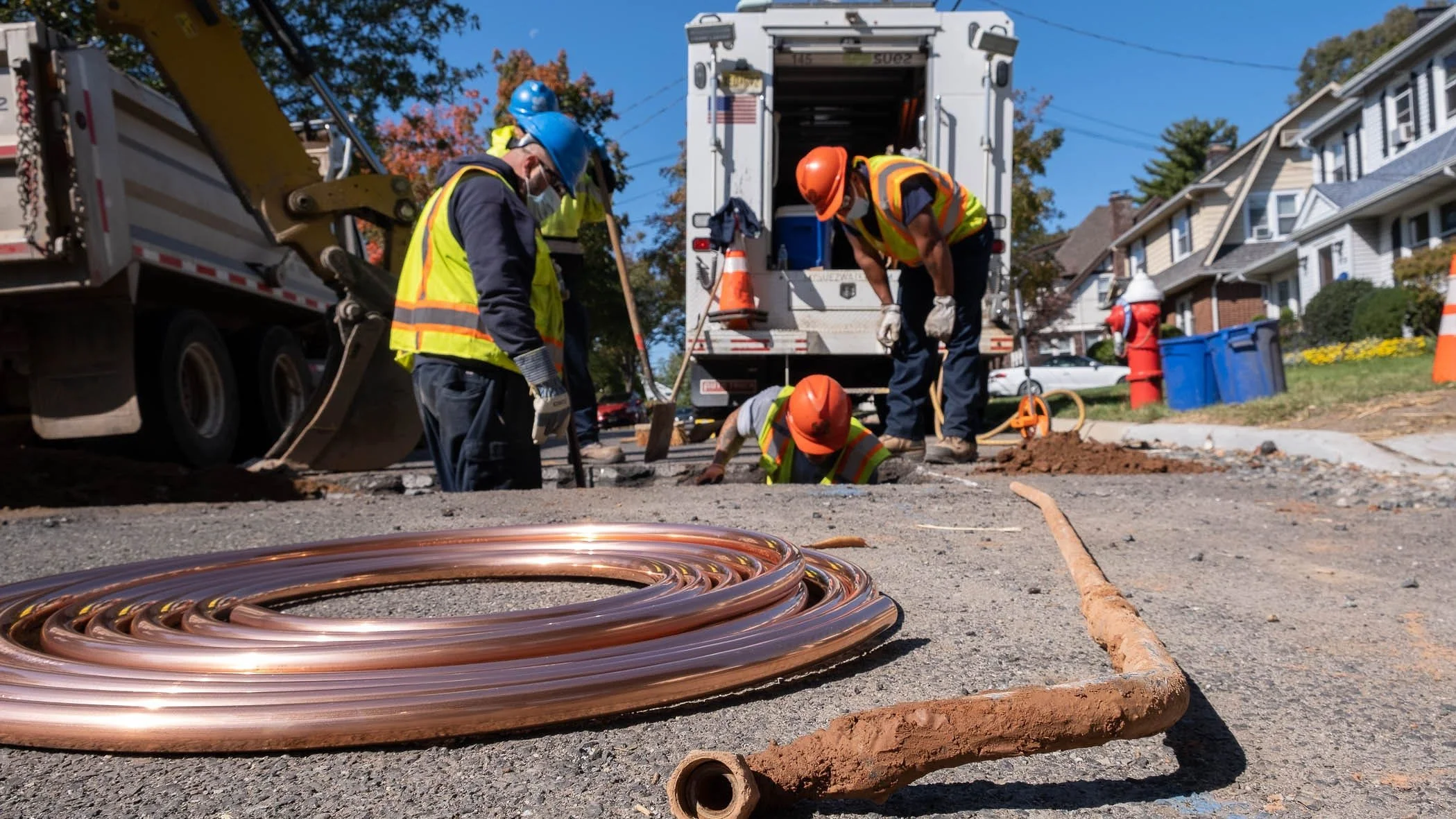
In neighborhoods across Jersey City, residents often notice something subtle after street excavation or pipe replacement: the water tastes different.
It may be slightly metallic.
It may have a stronger chlorine flavor.
It may taste “earthy” or unfamiliar.
Even when the water looks clear, changes in taste can raise concern especially if nearby crews were recently working on water mains or underground utilities.
Here’s why pipe work can affect taste, and what Jersey City residents should know.
Pipe Work Changes Pressure and Flow
When crews repair or replace water mains, the system experiences temporary changes in:
- Water pressure
- Flow direction
- Sediment movement
- Distribution routing
Over time, corrosion scale and mineral deposits build up inside pipes. When pressure shifts during construction, that buildup can loosen and travel through the system.
According to the U.S. Environmental Protection Agency (EPA), corrosion inside plumbing systems is a primary pathway for metals such as lead and copper to enter drinking water (https://www.epa.gov/ground-water-and-drinking-water/basic-information-about-lead-drinking-water).
While iron may cause visible discoloration, smaller concentrations of other metals can affect taste without changing the water’s appearance.
Chlorine Levels May Temporarily Shift
Utilities sometimes adjust disinfectant levels after pipe work to ensure system safety.
If you notice a stronger chlorine smell or taste, it may be related to temporary treatment adjustments or flushing procedures.
Chlorine is necessary for preventing bacterial growth, but slight increases can make the flavor more noticeable.
Residents reviewing general local water conditions may not see immediate updates reflecting short-term operational changes which is why individual observation matters.
Why Metallic or Bitter Taste Can Appear
A metallic or bitter flavor often points to one of the following:
- Disturbed iron sediment
- Copper release from internal pipes
- Galvanized pipe corrosion
- Sediment entering household plumbing
In older Jersey City locations, aging service lines and building plumbing are more sensitive to pressure fluctuations during municipal work.
Even if the construction is down the block, pressure changes can travel through connected lines and affect homes nearby.
Professional water testing services can determine whether metal levels have temporarily increased after pipe work.
Clear Water Doesn’t Always Mean Stable Water
Many residents assume that if water runs clear, it must be fine.
However, taste changes can occur without visible discoloration.
First-draw water meaning water that has been sitting in pipes overnight may taste stronger because it has had more contact time with internal plumbing materials.
Educational insights into how corrosion layers react to pressure changes are available in the company’s blog for those who want deeper context.
Common water safety questions are also addressed in the FAQ section.
How Long Do Taste Changes Last?
In most cases, taste changes after pipe work are temporary.
Flushing cold water for several minutes often helps stabilize the system.
If taste returns to normal within a day or two, the issue was likely related to sediment disturbance.
However, if metallic or unusual taste persists for several days, testing is recommended especially in homes built before 1986.
What Residents Should Do After Nearby Pipe Work
If you notice taste changes after construction:
- Run cold water taps for 3–5 minutes.
- Avoid using hot water for drinking until cold runs clear.
- Clean faucet aerators.
- Flush refrigerator water lines and ice makers.
- Monitor for discoloration or odor.
If you’d like reassurance that your water has returned to baseline, the contact page provides direct access to scheduling support.
Why This Is Especially Relevant in Jersey City
Jersey City’s infrastructure spans more than a century. Modern developments often connect to older distribution networks.
When pipe work occurs in neighborhoods with mixed-age plumbing, temporary taste changes are more noticeable.
The key point: infrastructure upgrades are generally beneficial. Short-term taste changes often signal system adjustment not long-term failure.
But awareness ensures that temporary disturbances don’t go unchecked.
Final Thoughts
Jersey City residents reporting taste changes after nearby pipe work aren’t imagining it.
Pressure shifts, sediment movement, and disinfectant adjustments can all affect flavor at the tap even when water looks clear.
Most changes are short-lived and resolve with flushing.
If taste persists or if you have young children in the household, testing provides clarity and peace of mind.
Construction improves the future of the system.
Monitoring protects your household in the present.