Hudson County’s waterways have undergone significant changes over the years. The early industrial era saw chemicals dumped into streams and rivers, contaminating them. This left behind harmful substances that posed serious health risks. Despite efforts by federal and state agencies to strengthen regulations, PFAS and lead contamination continue to be issues in the area.
Community groups have become vocal about the need for better water quality. They have organized testing drives and advocated for infrastructure upgrades. County officials have backed these efforts, aiming to meet safe standards and protect residents from harmful substances.
Key Takeaways
- Historic industrial growth introduced pollutants that linger in water systems.
- PFAS and lead concerns remain top priorities for county officials.
- Regulatory guidelines serve as key pillars for safer water quality.
- Community-led programs raise public knowledge and testing efforts.
- Infrastructure improvements focus on preventing future contamination.
Factors Influencing Local Drinking Water Sources
Local streams flow through industrial corridors and agricultural landscapes, shaping water quality in Hudson County. The remnants of the past in the environment require proactive measures. These efforts are essential to ensure safe drinking water for residents.
The Role of Nearby Industries
Factories near primary waterways may release metals and chemicals. Compliance with updated regulations has improved conditions. Yet, older sites remain a concern. Some plants modernize their waste management systems. Community advocates stress the need for ongoing supervision to protect human health.
Effects of Agricultural Runoff
Farms can contribute fertilizers and pesticides that reach public water sources. This happens through heavy rain or improper storage. Treatment facilities must work harder to address this issue. Unchecked flows might strain systems, making safe drinking water less likely.
Below is a summary of the hazards from these sources:
| Contaminant | Origin | Impact |
| Heavy Metals | Industrial Discharge | Elevated risk of health issues |
| Pesticides | Agricultural Fields | Potential harm to water treatment systems |
| Fertilizers | Runoff from Farms | Algae growth in rivers and reservoirs |
Understanding Water Quality Regulations in Hudson County
Local authorities collaborate with federal agencies to create policies ensuring safe drinking water. These policies are guided by laws that safeguard water from harmful substances. They also ensure quick identification of threats, such as PFAS contamination. This approach builds trust between officials and residents by providing clear guidelines.
These regulations set clear standards and monitor practices to reduce risks. Enforcement is based on regular inspections and transparent reporting. This approach boosts public confidence in the system. It also motivates responsible industry behavior and prevents pollution from getting out of hand.
Federal guidelines vs. local standards
The Clean Water Act and the Safe Drinking Water Act serve as the base for managing contaminants. County administrators adapt these frameworks to tackle urban challenges. They work with agencies that test water quality and guide local utilities towards safer operations.
Importance of compliance for public health
Strict adherence to regulations helps detect PFAS contamination early. This protects families from harmful chemicals and pathogens. It ensures long-term safety. The ongoing commitment to these rules keeps them effective and responsive.
| Regulation | Scope | Key Feature |
| Clean Water Act | Surface water protection | Prevents excessive pollution discharges |
| Safe Drinking Water Act | Potable water systems | Sets maximum contaminant levels |
| Local Measures | Regional oversight | Addresses PFAS contamination and emerging issues |
Overview of Water Treatment Plants and Processes
In Hudson County, modern facilities employ a blend of physical filtration, chemical treatments, and cutting-edge methods to ensure public water safety. Each plant focuses on removing harmful substances, including those from industrial activities. Some facilities add sedimentation and disinfection to further improve water quality and prevent contamination before it reaches consumers.
Older water treatment systems, on the other hand, may use outdated equipment, raising the risk of oversight. Corroded pipes can lead to lead contamination, a problem exacerbated by delayed repairs. To counter this, treatment centers often employ anti-corrosion measures to safeguard internal surfaces and reduce scaling. Techniques like ozonation or membrane technologies provide additional barriers against pathogens and chemical pollutants.
The replacement of aging pipelines is essential in reducing lead contamination risks. New materials are more resistant to corrosion, minimizing the chance of toxins entering the water supply. This initiative aligns with water treatment guidance, ensuring that local residents have access to clean, high-quality water. Regular upgrades, inspections, and expert management contribute to increased public trust in the water they drink.
Common Contaminants and Their Impact on Public Health
Contaminated water poses hidden dangers to our well-being. Experts stress the importance of water testing to identify these threats early. This ensures the safety of communities across the United States. Regular checks are vital to maintain the reliability of every tap.
- Lead
- Arsenic
- Chromium
- PFAS chemicals
- Enterococcus
Heavy metals and toxins
Exposure to metals like lead or arsenic can harm organs over time. Industrial waste often contaminates soil or waterways. Timely assessments are essential to protect residents’ health and prevent long-term issues.
Microbial contamination risks
Enterococcus can cause digestive problems. Fecal indicator bacteria signal sewage leaks, prompting urgent action. Ongoing water testing identifies microbial threats, ensuring public health and confidence in the water supply.
Testing Protocols for Safe Drinking Water
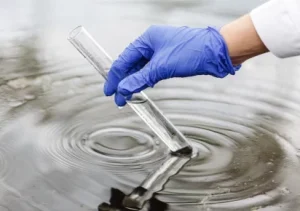
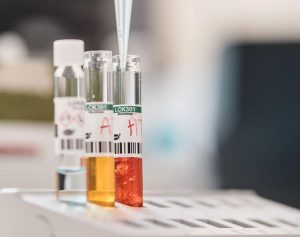
In Hudson County, testing protocols are essential for ensuring water quality. Consumer Confidence Reports keep residents updated on contaminants and safety levels. Private wells require specific analysis from certified labs to identify pollutants that threaten public health. Early detection is key, safeguarding families from harmful chemicals and microbes.
Routine checks employ proven methods, including advanced data-sharing platforms. Residents can seek additional guidance through CDC guidelines for testing well water. Experts often recommend the following steps:
- Regular sampling schedules
- Accessible test kits for home use
- Swift reporting of abnormal findings
This approach fortifies local infrastructure and protects public health throughout the year.
The Role of Community Awareness in Maintaining Quality
Local residents play a critical role in safeguarding our drinking water sources. Organizations like Hackensack Riverkeeper, local Sierra Club chapters, and grassroots campaigns bring people together. They host workshops and advocacy events to foster unity. By adopting daily habits that prevent runoff, each household contributes significantly to sustainable water management.
Educational Initiatives for Residents
Community-led seminars focus on safe disposal of hazardous materials and at-home testing techniques. Nonprofits promote sharing tips on reducing pollution in yards and public areas. This approach empowers families to understand the impact of their actions on sustainable water management in Hudson County.
Community Feedback Channels
Public meetings provide a platform for everyone to report irregularities or express concerns about water quality. Neighborhood volunteers team up with local officials to investigate and propose solutions. These forums foster a sense of shared responsibility, uniting utilities, advocates, and citizens in preserving our vital water resources.
Challenges Facing Urban Infrastructure Upgrades
Aging pipelines often disrupt water supply and cause leaks. Many urban networks are based on outdated designs, struggling to meet increasing demand. Corrosion weakens performance, and limited budgets hinder the adoption of modern solutions.
Public utilities face the challenge of maintaining reliability. Growing populations intensify the strain on existing pipelines, compelling local governments to invest in critical upgrades. Climate shifts, such as saltwater intrusion in coastal New Jersey, add to the risks.
Key challenges include:
- Decaying pipes prone to unexpected breakdowns
- Inadequate funding for large-scale repairs
- Outdated planning that hampers modern capacity
- Coordination among various regulatory agencies
Agencies use government grants to tackle urgent needs. Enhanced filtration methods help protect water quality and reinforce pipelines. Municipalities that plan ahead for infrastructure upgrades can reduce health risks and build more resilient systems.
| Challenge | Suggested Response |
| Corroded Pipes | Replace aging materials for better flow |
| Saltwater Intrusion | Monitor salinity and strengthen barriers |
| Budget Constraints | Secure targeted subsidies and grants |
State and Federal Funding for Water Quality Projects
Washington and Trenton provide critical financial support for urgent water system enhancements. The Bipartisan Infrastructure Law allocates funds for pipeline upgrades, lead line replacements, and PFAS cleanup. These initiatives prioritize health and aim to provide safer services to residents.
Local agencies compete for funding, focusing on Hudson County’s specific needs. Transparent spending ensures projects deliver tangible benefits to both urban and rural areas. Public officials promote community involvement to shape future projects and pinpoint areas needing more attention.
Allocation of grants and resources
Leaders direct vital funds to projects like advanced filtration and streamlined inspections. Grants typically cover:
- Pipeline renovations for aging systems
- Targeted replacement of lead-contaminated fixtures
- Improved testing of chemical residuals
Collaboration with municipalities ensures projects align with ongoing objectives.
Tracking improvement progress
Metrics, reports, and forums track the success of funded projects. State officials regularly update on financial efficiency in construction and remediation. Community engagement fosters a collective sense of responsibility, encouraging residents to stay informed and support lasting water quality improvements.
Emerging Technologies for Cleaner Water
New methods are transforming how communities safeguard their water sources. Advanced systems now offer targeted solutions to neutralize persistent chemicals and lower health risks. These methods align with modern environmental regulations, which require swift action and constant monitoring.
Citizens gain from on-site contaminant detection tools that measure harmful particles at treatment facilities and in neighborhoods. Real-time water quality apps provide updates, allowing households to conduct at-home tests for reassurance. These tools keep consumers informed and foster safe practices.
Advanced Filtration Methods
High-performance filters, including advanced oxidation, break down complex compounds like PFAS. This innovation protects aquatic habitats while ensuring consistent water supplies for drinking and recreation.
Smart Water Monitoring Systems
Intelligent sensors continuously monitor microbial activity, chemical spikes, and flow volumes. They provide data that reveals patterns, giving officials an early warning of any threats.
| Technology | Key Feature | Benefit |
| Advanced Oxidation | Breaks down PFAS | Minimizes toxic exposure |
| Real-Time Sensors | Constant Data Feed | Faster Response |
| At-Home Test Kits | User-Friendly | Encourages Public Awareness |
Green Infrastructure Solutions for Hudson County
Green approaches are transforming community health and reducing stress on urban water systems. Local plans emphasize nature-based solutions that capture, filter, and reuse stormwater. This method prevents flooding and keeps pollutants out of waterways and neighborhoods.
Rain gardens and bioswales excel at trapping runoff in landscaped basins. Permeable pavements allow water to soak into the ground, reducing street pooling. Living shorelines restore coastal areas, boosting flood protection. Together, these elements improve water quality and create greener spaces.
“Green roofing and tree planting can increase infiltration, reduce pollution, and lessen the strain on public drainage,” the Environmental Protection Agency notes.
In New Jersey, planners see clear benefits from combining these systems with traditional solutions. Over time, this approach enhances infiltration and fosters healthier ecosystems. It ensures a safer future for Hudson County residents.
Case Studies of Successful Water Quality Initiatives
Local campaigns are transforming urban landscapes, ensuring safe drinking water for many. Neighborhoods are rallying volunteers and experts to improve standards and protect public health.
Community-driven projects
In Hudson County, residents have launched outreach programs to test and enhance water quality. Civic groups in Yonkers tackle fecal contamination by collaborating with scientists. They share data and solutions, demonstrating their commitment to clean water.
Activists in nearby areas are raising funds for PFAS removal devices. Their efforts highlight their determination to safeguard the drinking water supply, despite obstacles.
Private–public collaborations
When city officials team up with local businesses and investors, lasting results follow. In Bayonne, soil cleanup projects have reduced toxins from old industrial sites, promoting cleaner groundwater. Jersey City has replaced outdated pipes with safer ones, reducing lead exposure.
These partnerships have increased community trust and established long-lasting systems. They benefit everyone, ensuring a healthier environment.
Long-Term Strategies for Sustainable Water Management
Future demands necessitate a transition to cleaner processes, blending new concepts with established systems. Cape May’s reverse osmosis strategy shows how to combat saltwater intrusion through meticulous planning. Advanced filtration is essential for eliminating chemical residues, safeguarding against new threats, and bolstering municipal infrastructure.
Resilience grows when municipalities, researchers, and environmental agencies work together on ongoing improvements. Modernizing equipment increases treatment capacity and efficiency. This includes thorough training for staff overseeing public water supplies. Upgrades in filters and pipelines lower contamination risks, ensuring a steady supply of safe drinking water for cities and suburbs.
The key to cost-effective, long-term solutions lies in the broader use of advanced filtration. Strategies focusing on community outreach and green engineering build support across all levels. Plans combining robust funding and hands-on oversight yield lasting results, safeguarding residents and preserving water resources for future generations.
Looking Ahead to the Future of Hudson County Water
Ensuring Hudson County’s water resources for the long term demands constant attention and real-time monitoring. The EPA’s mandates for stricter standards are driving improvements in filtration systems. Community activism plays a key role in shaping policy, addressing local concerns.
The Sierra Club emphasizes the need for immediate action, a sentiment echoed by the Westchester Coalition for Clean Water. Their message highlights the importance of collective efforts in protecting public health. This collective action is vital for safeguarding our water supply.
Green infrastructure projects are at the forefront of Hudson County’s response to climate change and new contaminants. Municipalities are adopting agile, data-driven strategies to adapt to changing conditions. Transparency and trust are built through open communication and oversight.
Continuous funding and education are essential to enhance these strategies. They ensure high-quality water for future generations. This effort requires collaboration among agencies, advocates, and residents dedicated to clean water.
FAQ
What makes PFAS contamination a growing concern in Hudson County?
PFAS, known as “forever chemicals,” persist in the environment due to their non-degradable nature. Recent advancements in testing and stricter EPA standards have uncovered their presence in local water. This has led to a focus on advanced filtration techniques like ion exchange and membrane filtration to safeguard public health.
How do aging pipes contribute to lead contamination in drinking water?
Older infrastructure often contains corroded pipes or solder that leach lead into drinking water. Hudson County is addressing this by replacing outdated pipelines and adhering to stricter standards. Funding from the Bipartisan Infrastructure Law supports these efforts, ensuring water is lead-free.
Why is agricultural runoff a concern in an urban setting?
Even in densely populated Hudson County, agricultural runoff poses a risk. Pesticides and fertilizers from farms and landscaping can contaminate waterways. Implementing greener practices, such as rain gardens and bioswales, helps mitigate this issue and reduce the strain on treatment facilities.
What role do industries play in water quality management?
Historically, industries have released heavy metals, dyes, and toxins into waterways. Today, regulations like the Clean Water Act mandate monitoring and facility upgrades. Regular inspections and advanced oxidation processes are used to minimize pollutants before they reach water sources.
How do Consumer Confidence Reports help residents understand water quality?
Consumer Confidence Reports detail contaminants found in public water systems and the planned actions. These reports enhance transparency, encouraging public involvement and cooperation with utilities to ensure safe drinking water.
Can green infrastructure solutions really improve water quality?
Yes, green infrastructure techniques like rain gardens and permeable pavements manage stormwater naturally. This approach filters out pollutants before they reach drinking water sources. In Hudson County, these methods complement traditional treatment methods and prevent flooding in urban areas.
How do funding and grants facilitate future water system upgrades?
Programs like the Bipartisan Infrastructure Law provide funds for upgrades, real-time monitoring, and advanced filtration technology. These investments, combined with community-led initiatives and transparent tracking, ensure upgrades are effective in improving water safety.
Why is real-time monitoring important for water safety?
Real-time sensor systems offer continuous updates on water quality. This enables authorities to respond quickly to contamination spikes. This proactive approach prevents issues from escalating and supports agile, data-driven water management strategies.
How have local communities achieved tangible water quality improvements?
In cities like Bayonne and Jersey City, community efforts, backed by local officials and private partners, have led to significant improvements. These initiatives include soil decontamination, industrial cleanup, and major pipeline upgrades. Such collaborations show the impact of public engagement in reversing pollution trends.
What are key strategies for sustainable water management in the coming years?
Commitment to ongoing regulations, advanced treatment methods, and educational workshops are essential for water safety. Partnerships between municipalities, environmental agencies, and research institutions will continue to guide safe water usage. This ensures Hudson County remains a leader in water resource management.