
The water infrastructure in Jersey City is under threat from old lead pipes. Lead in drinking water poses a significant public health risk across the state. Ensuring safe drinking water depends on upgrading the system promptly.
State officials stress that large-scale renovations are long overdue. New York City faces a similar challenge, aiming to replace lead lines by 2037. The community and leaders are exploring ways to safeguard water quality and mitigate risks.
Key Takeaways
- Lead in drinking water endangers household health and safety.
- Old lead pipes can leach contaminants into the supply.
- Jersey City water infrastructure shows signs of significant wear.
- Safe drinking water hinges on modern, lead-free systems.
- Coordination between city agencies helps drive upgrades forward.
- NYC’s timeline spotlights federal guidelines for pipe replacement.
The History of Jersey City’s Water Infrastructure
Jersey City’s water infrastructure began with early public works projects along key waterways. This infrastructure legacy evolved as the city grew. Initially, planners used metal conduits for their durability, but they didn’t consider the long-term risks of lead.
Historic records show significant milestones in New Jersey, like Cape May’s desalination plant in 1996. They also highlight ongoing issues at Trenton Water Works. These events underscore the city’s ongoing struggle with water quality.
As knowledge about contamination grew, local leaders and engineers introduced new treatment methods. The 1961 ban on new lead service lines was a significant step towards upgrading the system. Yet, older neighborhoods continued to use outdated components, creating a mix of water facilities.
Stress on municipal lines increased due to saltwater intrusion, population growth, and budget constraints. Budget issues led to temporary fixes that didn’t address the root problems. The introduction of stricter drinking water regulations brought more scrutiny to hidden risks. Now, the system faces urgent repairs to safeguard homes and schools from lead exposure.
Understanding Lead Contamination
Lead contamination chemistry reveals how particles move through aging pipes. Local utilities use additives like orthophosphate to prevent issues in distribution networks. Yet, protective layers can weaken due to physical disruptions or changes in acidity.
The Chemistry of Contaminated Pipelines
Water pipe corrosion grows when old solder or worn surfaces lose their protective coating. Trace amounts of lead can dissolve into drinking water as the lining deteriorates. Corrosion inhibitors form a barrier on metal walls. But, unexpected changes in flow or pH can break down this defense.
Why Lead Leaches into Household Taps
Household lead exposure can increase if water sits for too long in vulnerable lines. Particles often build up during periods without movement. Regular flushing removes stagnant water, reducing the risk of dissolved metals in kitchen faucets or bathroom fixtures.
Why Old Lead Service Lines Pose Risks
Older pipelines face constant stress from ground movements and temperature changes. Decades-old installations are more likely to crack and corrode. In New Jersey, studies at Trenton Water Works (TWW) show how outdated materials fail to meet current standards. This highlights the urgent need to fix these infrastructure failures.
Structural Weaknesses in Aging Pipelines
Over time, metal parts in these pipelines deteriorate. Rust and mineral deposits reduce water flow and create weak spots. Even small cracks can lead to particles entering household taps. Traffic vibrations and seasonal weather changes exacerbate these issues.
Hidden Dangers Underground
Pipelines hidden under sidewalks or yards pose unseen risks. Minor construction tremors can damage these lines. Often, damage goes unnoticed until a leak or contamination occurs. This creates unexpected dangers for those who depend on safe drinking water daily.
Impact on Local Residents and Schools
Many families face uncertain water quality due to aging infrastructure in their neighborhoods. Residents in older homes might rely on outdated piping that carries harmful particles into household taps. This raises concerns about the community health impact, pushing local leaders to re-examine safety protocols.
Schools bear the burden of strict regulations that aim to maintain school drinking water at acceptable standards. New Jersey rules mandate clear postings by any faucet with contamination and the use of alternative sources, such as filtration units or bottled supplies. Parents turn to lead safety education as they seek answers on how to minimize exposure risks. A comprehensive study reveals the scale of the hazard facing young children.
- Regular testing helps identify contamination early
- State-funded initiatives encourage infrastructure upgrades
- Educators spread awareness to families through workshops
| Preventive Measure | Implementation |
| Filtered Fountains | Installation in high-traffic school hallways |
| Replacement Grants | State programs to fund new piping |
Signs and Symptoms of Lead Exposure
Lead infiltration can trigger issues that resemble routine discomforts. Adults may experience high blood pressure, fatigue, or muscle aches as part of lead poisoning symptoms. Pregnant individuals can develop complications, including miscarriage, highlighting the need for early testing.
Physical and Neurological Indicators
Some warning signs include joint pain, headaches, and mood swings. Brain function can suffer when toxic metals disrupt delicate pathways, slowing reaction times and impairing concentration. Growing bodies are affected, as child development depends on healthy brain cells.
At-Risk Populations
Vulnerable groups encompass pregnant women, children, and those with weakened immune systems. Even low levels in the bloodstream can threaten daily health. Chronic exposure raises concerns for long-term harm, underlining the urgency of preventive measures.
| Symptom | Possible Effect | Population |
| High Blood Pressure | Increased Risk of Heart Issues | Adults |
| Miscarriage | Pregnancy Complications | Expectant Mothers |
| Neurological Delays | Learning Difficulties | Children |
lead in drinking water: Key Insights
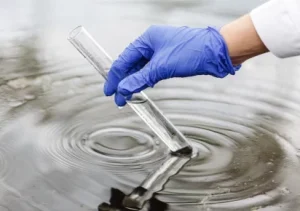
Regular water testing helps communities uncover hidden dangers. Water authorities offer free kits to make sampling easier. They track changes in contamination levels by measuring lead in parts per billion.
Understanding Local Water Testing Results
Labs analyze tap samples over time to test for lead. This method shows how daily and seasonal changes affect contamination. Local programs stress the importance of frequent testing, as a single measurement might not show ongoing health risks.
Residents should watch for increases in ppb readings, which are more common in older homes.
Safe Limits and Government Guidelines
Federal action levels guide when to intervene, based on EPA lead standards. The goal is to keep lead levels at 0 ppb. But, if levels hit 15 ppb or higher, immediate action is required.
Many cities adjust their safe drinking water guidelines. This helps officials know when to replace or repair aging service lines.
| Testing Interval | Reason | Potential Steps |
| Every 6 Months | Track Fluctuations | Collect Initial and Follow-Up Samples |
| Yearly | Compare Long-Term Trends | Review Replacement or Filter Options |
| After Repairs | Confirm Pipe Integrity | Check Lead Levels in Repaired Zones |
Federal and State Regulations
Every community must adhere to national standards set by the Safe Drinking Water Act. The Lead and Copper Rule improvements demand full service line replacement by 2037. Newark, NJ has shown it’s possible to replace nearly 23,000 lead pipes in under three years. This demonstrates that large-scale upgrades can occur faster than anticipated.
Compliance with the EPA lead rule involves regular testing and ongoing monitoring. Local authorities work closely with water utilities and the New Jersey Department of Environmental Protection. They follow NJ state regulations, ensuring strict oversight. Despite upfront costs and varied infrastructure, officials strive to upgrade pipelines to protect public health.
The goal is to eliminate outdated materials, ensuring safer pipelines and better drinking water. Residents generally support these efforts, recognizing the importance of healthy water sources for quality of life. Strong regulations are essential for future growth, as any lapse can put entire neighborhoods at risk.
The Role of Public Awareness Campaigns
Engaging local communities is key in addressing lead contamination in older pipelines. Clear communication and swift action are vital. Awareness campaigns play a significant role in building neighborhood support and promoting preventive habits.
The Sierra Club works with city officials to enhance public health outreach. They organize forums to discuss risks and share tips for water testing. People learn about the dangers of outdated plumbing and how to protect their families.
Neighborhood events highlight the success of public health outreach efforts. Each meeting emphasizes the importance of using filters and conducting regular inspections. Residents are encouraged to form watch groups and report any signs of contamination.
Community Education Initiatives
Volunteers produce simple brochures and social media updates to educate on preventing lead exposure. They collaborate with parent-teacher associations in schools, ensuring transparency and accessible learning.
Methods for Spreading the Message
Local radio segments and door-to-door visits increase awareness in every home. State agencies and nonprofits promote clean water advocacy through success stories of pipeline upgrades. Ongoing awareness campaigns remind residents to watch for leaks and report any changes.
Many city-led programs track feedback from volunteers. They monitor improvements in water quality and the adoption of new filters. This data helps identify areas needing improvement and plan for upgrades. Reports often showcase the collaboration between local advocates and government, boosting support for safer water solutions. Action teams then develop new strategies for lasting impact across neighborhoods.
| Organization | Focus |
| Sierra Club | Activism, local events |
| City Health Department | Testing, community outreach |
Upgrading to Modern Materials
City officials recognize the need for pipe replacement solutions to upgrade outdated lines. These upgrades aim to reduce lead exposure and enhance water safety. This is critical for neighborhoods reliant on reliable water systems.
In Cape May, a desalination plant renovation replaced outdated equipment. This move significantly improved water quality. It serves as a model for other communities looking to replace lead-based parts.
Replacing Lead Pipes with Copper or Plastic
The focus is on replacing lead pipes with modern materials. Discussions center on copper vs. plastic regarding cost, durability, and resistance to contamination. Copper is valued for its longevity, while plastic is favored for its light weight and flexibility.
Costs and Timelines for Infrastructure Overhaul
Removing a single lead service line can cost between $5,000 and $10,000. Many cases receive partial federal support. The process of infrastructure modernization requires careful planning. Contractors work closely with engineers and grant programs.
Project size determines the timeline, but significant progress is often seen in two to four years. This timeframe allows for meaningful improvements in neighborhoods.
Funding and Budget Constraints
Upgrading aging water networks requires significant resources, yet these efforts often face tight public budgets. Water utilities struggle with long-standing issues, needing strong support from all government levels. Securing infrastructure funding becomes complex when legislative priorities conflict.
Cape May’s desalination facility has seen cost-cutting disruptions, showing the volatility of project financing. Trenton Water Works estimates nearly a billion dollars in needed improvements, highlighting the high stakes. Federal grants are vital but unpredictable, leaving planners uncertain about future revenues.
Local governments ponder how to secure stable capital without losing control or accountability. Some explore private partnerships, while others consider reallocated tax revenues. Finding funding solutions demands creative ideas and community involvement. This ensures safe drinking water without burdening local finances.
The Role of Testing and Monitoring
Residents depend on regular checks to uncover hidden dangers in older pipelines. Some get lead testing kits from public agencies, but long wait times are common due to high demand. Experts stress the importance of routine sampling. This is because lead levels can change, influenced by water stagnation and ongoing chemical treatments in municipal systems.
Frequency and Best Practices
Testing every six months or yearly helps track how contamination levels change. This gives a clearer view of household risks. One test might miss sudden spikes, so continuous monitoring is key. Simple actions like cleaning faucet aerators and flushing taps can also help. These steps reduce sediment buildup and protect against daily changes.
Technology for Early Detection
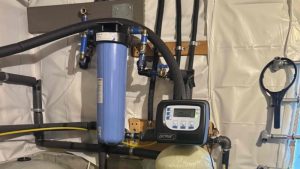
Advanced water contamination sensors can spot small changes early on. These modern devices measure water quality changes accurately, allowing for quick action. Regular data reviews help health departments and homeowners tackle emerging issues. This keeps communities informed and safe.
| Timeframe | Action |
| Every 6 Months | Schedule lab tests or use lead testing kits |
| Monthly | Check water contamination sensors for alerts |
| As Needed | Clean aerators and flush taps to clear buildup |
Potential Long-Term Solutions
Innovative strategies offer hope for protecting long-term water quality in areas with aging pipelines. One idea involves adding corrosion inhibitors to reduce the release of lead particles. This gives residents safer water at the tap. Cape May’s desalination approach stands as an example of forward-thinking technology that addresses other contaminants, including PFAS.
Sustainable infrastructure upgrades can include reverse osmosis systems and new filtration technologies. These use sensors to track changes in pH levels. Municipalities could decide to embrace large-scale desalination in coastal regions, despite significant upfront costs. Smart meters that detect corrosion show promise for spotting problems early and preventing damage to local water lines.
Experts recognize that advanced water treatment requires coordination among city officials, engineers, and community advocates. Financing remains a challenge, yet these measures pave the way for stronger oversight and lower health risks for residents. Adaptations may look different from place to place, but each step can serve as a blueprint for later expansions and refinements in water management.
| Method | Key Feature | Benefit | Potential Drawback |
| Corrosion Inhibitors | Protect Pipeline Surfaces | Reduces Lead Leaching | Requires Frequent Monitoring |
| Desalination | Removes Impurities | Addresses PFAS and More | High Setup Costs |
| Reverse Osmosis | Advanced Filtration | Improves Water Taste | Energy Intensive |
| Smart Water Monitoring | Real-Time Alerts | Early Risk Detection | Requires Specialized Equipment |
Collaborations and Community Actions
Cities thrive when they form alliances for safer water. Civic engagement has ignited a new wave of determination among residents, officials, and activists. They aim to eradicate lead from our pipelines. The Sierra Club, for instance, harnesses grassroots power and advocates for robust water safeguards. This shift heralds a new era of collective efforts for clean water in urban areas.
Partnering with Nonprofits and Local Groups
Building alliances fosters trust and boosts success. Through partnerships with nonprofits, a vast network of volunteers is engaged. They organize educational workshops, distribute testing kits, and host fundraisers to fund essential upgrades. This outreach widens the dialogue, propelling each neighborhood toward lasting solutions.
Supporting Clean Water Advocacy Efforts
Effective water advocacy stems from relentless pressure and clear objectives. Initiatives like petition drives, letter-writing campaigns, and media outreach raise public consciousness. Community partnerships amplify the message, encouraging citizens to demand safer drinking water. This collective voice drives legislation that directs critical funds toward pipe replacements and health monitoring.
A Look Ahead at Jersey City’s Water Future
Jersey City’s quest for cleaner water taps requires a thoughtful strategy. It must align with local budgets and public health goals. Community advocates and city leaders are crafting a water plan. They draw inspiration from Newark, where timely service line replacements were achieved with consistent funding.
Success hinges on regular testing, partnerships with nonprofits, and open communication. Officials emphasize the need for modern materials and reliable monitoring to prevent hidden dangers. Residents are critical by backing legislative efforts and participating in awareness events, keeping the momentum alive.
Progress will accelerate with increased support from federal and state programs. Small steps already indicate a safer future. A unified effort can diminish lead concerns, transforming them from a constant threat to a fading issue. The journey ahead is clear: a community free from the worries of tainted pipes and outdated infrastructure.
FAQ
Why is lead contamination in Jersey City’s drinking water a public health risk?
Lead contamination in tap water poses serious health risks. It can leach from aging service lines. Older pipes, solder, and fixtures release lead, harming health, as seen in developmental issues in children and other health problems. This has led to regulatory actions by the NJ DEP and EPA.
How did Jersey City end up with so many old lead service lines?
Lead pipes were common decades ago, mirroring practices in New Jersey and beyond. Before 1961, lead was seen as durable and affordable. Yet, research showed lead risks, leading to new regulations. Now, Jersey City and other cities face costly upgrades and funding issues.
What role do corrosion inhibitors play in preventing lead leaching?
Corrosion inhibitors, like orthophosphate, create a protective lining in pipelines. This reduces lead leaching. Yet, changes in water chemistry or flow rates can weaken their effectiveness. Regular testing and monitoring are key to ensuring water safety.
Are there long-term infrastructure solutions beyond pipe replacement?
Yes. Municipalities explore advanced treatments, such as reverse osmosis systems or desalination. They also consider “smart” water systems that monitor pH and corrosion. These upgrades require significant investment, with funding from grants a key factor.
What are the main signs and symptoms of lead exposure?
Lead exposure can cause developmental and behavioral issues in children and health problems in pregnant women. Adults may experience fatigue, joint pain, and neurological disruptions. Low levels of lead can also cause these problems, making frequent testing and filtration essential.
How do schools and public buildings manage lead in their water?
State regulations require regular testing in public schools. If lead levels are high, schools must provide safe alternatives. Awareness campaigns help educate students and parents about testing, maintenance, and the need for upgrades.
Which regulations guide Jersey City in reducing lead levels?
The Safe Drinking Water Act and New Jersey’s DEP regulations guide Jersey City. The city must replace lead lines by 2037, facing funding and logistics challenges. Bipartisan support for clean water initiatives helps progress.
How frequently should household water be tested for lead?
Testing should occur every six months or annually for homes with old plumbing. Lead levels can change based on water stagnation and corrosion treatments. Flushing faucets and cleaning aerators can help reduce contamination.
Does replacing plumbing materials really eliminate future risks?
Replacing lead pipes with safer materials like copper or plastics significantly reduces risks. Yet, full remediation requires replacing all lead-containing components. While costly, grants can help fund long-term solutions for lead-free water.