
Jersey City is grappling with the issue of urban contamination affecting shared living spaces. Property owners are working hard to create a healthier environment. They aim to address indoor hazards and ensure the safety of residents.
The US Environmental Protection Agency highlights the dangers of poor air quality, which can cause serious health issues. Experts from Hoffer Pest Solutions recommend sealing gaps and keeping areas clean to prevent infestations. These measures are essential for maintaining a safe and pollution-free environment in apartment buildings.
Key Takeaways
- Indoor air quality shapes overall health
- Pest control starts with proactive sealing and cleaning
- Property owners and tenants share responsibility for contamination prevention
- Routine checks reveal early signs of problems
- Simple steps create safer and healthier living spaces
Understanding Contamination Risks for Urban Residential Buildings
In urban settings, contamination risks can significantly impact the comfort and safety of apartment dwellers. Vehicle exhaust, industrial chemicals, and limited ventilation pose threats to indoor air quality. High occupancy levels can exacerbate these issues. Gaps in walls or windows can further compromise by allowing harmful substances to enter living areas.
The US Environmental Protection Agency emphasizes the need to monitor airborne particles that can affect long-term health. An in-depth report outlines methods to identify invisible dangers early on. Being vigilant about contamination risks in dense urban environments is critical. It ensures occupants protect their homes through proactive steps and regular evaluations.
- Gaps around windows and doors
- Poorly sealed plumbing vents
- Narrow or blocked air ducts
| Source | Potential Impact |
| Vehicle Emissions | Elevates indoor pollution through open entry points |
| Industrial Pollutants | Introduces chemical residues onto surfaces and in the air |
| Pest Infestations | Increases health risks via droppings, dander, or bites |
Key Regulations and Legal Responsibilities in Jersey City
Managers of apartment complexes often face public health concerns ranging from air quality to waste control. Local authorities emphasize strict guidelines that reinforce building safety and tenant wellbeing.
Staying ahead of legal compliance helps avoid risks tied to unsafe conditions. Persistent oversight and frequent checks allow staff to detect problems right away. These steps nurture a living environment that reduces stress among occupants and preserves property value.
Local Statutes and Guidelines
Jersey City regulations focus on measures such as fire safety, structural integrity, and effective extermination programs. Municipal codes require building owners to remain alert to new amendments, as standards can shift based on environmental issues or demographic changes.
Property Owners’ Compliance Obligations
Landlords are expected to manage regular maintenance, log safety records, and schedule inspections at consistent intervals. Verified reports lead to fewer complaints and stronger ties with city agencies. A proactive approach helps guard against penalties and cultivates confidence in the neighborhood’s overall condition.
Identifying Airborne Pollutants and Their Health Implications
Understanding airborne threats is key to maintaining healthy indoor environments. Small particles and gases move freely within enclosed spaces. Many are invisible, making them hard to detect. Regular monitoring and targeted actions are essential to protect residents from severe health risks.
Common Harmful Particulates
Pollutants such as dust mites, mold spores, and volatile organic compounds are often inhaled unknowingly. They can exacerbate allergies or asthma. The US EPA suggests controlling humidity and ensuring proper ventilation to combat these issues. Such measures help create a safer living environment.
Long-Term Respiratory Effects
Long-term exposure to pollutants can lead to breathing disorders in children and the elderly. Symptoms include persistent coughing and reduced lung capacity. Implementing regular filter replacements and maintaining balanced air exchanges can improve air quality. These actions are vital in safeguarding vulnerable populations from chronic respiratory problems caused by indoor pollution.
Effective Water Quality Management Strategies
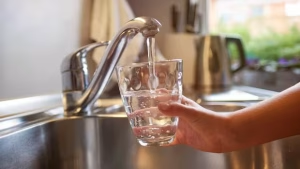
Ensuring clean water in multifamily buildings is key to fostering healthier living and boosting resident confidence. Older plumbing systems can deteriorate, creating environments where bacteria thrive. A proactive approach to water management protects pipes, reduces harmful buildup, and supports contamination prevention within shared facilities.
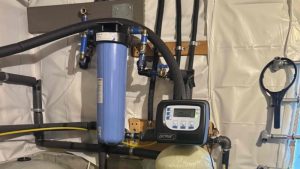
Property managers often focus on regular checks for leaks or broken fixtures to stop pooling that can lead to mold or pest infestations. Quick repairs keep moisture levels under control, cutting down on health risks. Filtration solutions that remove sediment or impurities further enhance water quality and reinforce occupant trust.
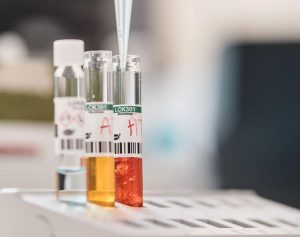
- Schedule periodic water testing to detect hidden problems.
- Inspect faucets, valves, and supply lines for signs of wear.
- Establish a dedicated response team to handle urgent water-related issues.
| Action | Primary Benefit |
| Routine Leak Detection | Prevents structural damage and bacterial growth |
| Filtration System Maintenance | Ensures safer drinking and cooking water |
| Professional Pipe Assessments | Identifies early corrosion or contamination threats |
Proactive Pest Control Measures
Apartment dwellers often face pests when food is left out or clutter builds up near appliances. Hoffer Pest Solutions offers strategies to deter pests, such as storing food properly and sealing gaps around plumbing. Thorough cleaning also helps prevent pests from nesting in hidden spots. Regular maintenance fosters a healthier living space.
Spotting Early Signs of Infestation
Droppings, chewed materials, and greasy trails are signs of pests. Strange smells and noises behind walls may indicate hidden pests. Acting quickly can prevent widespread infestations. Organized storage and regular inspections help prevent pests from spreading between units. Quick pest control actions protect the entire building.
Integrated Pest Management Tools
Combining various deterrents with integrated pest management strategies is effective. Building staff and residents must work together by reporting issues early and preventing pests from hiding. Clear communication and scheduled checks help minimize disruptions for all involved.
Regular pest control efforts enhance property value and protect tenant health. Solutions like sealing food in airtight containers and placing traps in strategic locations are recommended. The table below provides simple tips for reducing infestations.
| Preventive Action | Result |
| Store food in sealed bags | Eliminates food sources |
| Remove clutter around sinks | Prevents hidden nesting areas |
Maintaining HVAC Systems for Clean Indoor Air
Clean indoor air depends on the care of heating and cooling systems. Efficient systems remove particles, improving comfort in apartment buildings. Regular maintenance boosts efficiency and protects residents from airborne irritants.
Consistent HVAC maintenance also keeps ducts clean. Filters and vents act as primary barriers against dust, pollen, and other debris. A clogged system can circulate unhealthy elements, exacerbating breathing issues. Timely maintenance is critical.
Regular Filter and Vent Cleaning
Clean vents enhance air quality by reducing buildup. Filter cleaning prevents harmful particles from recirculating, making spaces safer. Property managers should schedule monthly checks to maintain filter health.
Professional Inspection and Maintenance
Technicians identify worn parts and fix issues affecting airflow. They address minor leaks or malfunctioning fans early, preventing energy bill hikes and poor air quality. Their tools ensure all components operate correctly.
| Maintenance Task | Suggested Frequency |
| Vent Check | Every 3 Months |
| Filter Replacement | Monthly or as Needed |
| Professional Service | Once a Year |
Safe Waste Disposal and Recycling Practices
A well-structured approach to waste disposal keeps communal spaces fresh and clean. In Jersey City, local strategies outline pick-up schedules and sorting guidelines. Property staff reinforce these efforts by posting reminders so everyone knows the designated collection days.
Effective recycling practices divert materials from landfills, reducing unpleasant odors. Placing recyclables in separate containers promotes better resource management. Securing trash in sealed bags discourages rodents, minimizing unwanted infestations. By checking the official city resource, both building managers and tenants can stay updated on policy changes and collection times.
- Label bins clearly to minimize confusion
- Promote safe waste disposal in communal areas
- Encourage tenant participation through simple reminders
Swift removal of trash and consistent recycling practices lessen health risks while strengthening environmental stewardship. Local authorities encourage strict handling procedures for the sake of neighborhood well-being. Responsible actions build a sense of shared duty among all residents, helping maintain superior air quality.
Best Practices for Mold Prevention
Residents look for lasting solutions to enhance indoor health. A balanced strategy focuses on ventilation and swift action against leaks. Regular maintenance and careful cleaning are key to preventing mold in all apartment sizes.
Effective Moisture Control
Damp environments often stem from pipe damage or drips under sinks. Quick repairs prevent water from seeping into walls, floors, or ceilings. Using exhaust fans in kitchens and bathrooms helps to keep humidity levels down. These measures protect against mold growth in tight spaces.
- Fix noticeable leaks swiftly
- Ventilate rooms with proper fans
- Keep indoor humidity levels under 60%
Routine Inspections and Early Detection
Supervisors who regularly inspect buildings can catch early signs of mold. Discolored spots near windows or a faint musty smell indicate mold presence. Early intervention protects indoor air quality and structural integrity. These inspections complement broader moisture control efforts.
| Inspection Focus | Recommended Frequency |
| Windowsills | Monthly |
| Bathroom Fans | Quarterly |
| Kitchen Pipelines | Monthly |
Onsite Inspections and Compliance Checks
Regular visits by building managers and certified inspectors are key to maintaining safety. These inspections often uncover hidden problems like leaks or improper waste disposal. Such issues can harm indoor air quality. Residents feel safer knowing management is actively addressing these concerns.
Health authorities’ unannounced visits push for consistent adherence to standards. They check ventilation systems, water lines, and look for pests. Early detection prevents major damage and keeps living spaces clean. This proactive approach reassures tenants and protects property values.
Keeping a detailed record of findings helps staff stay on top of maintenance. Digital tools make scheduling and tracking easier, ensuring issues are fixed before they escalate. This approach fosters a culture of responsibility, showing a genuine commitment to tenant well-being and community satisfaction.
Emergency Planning and Response Procedures
Effective emergency planning is essential for apartment communities facing unexpected events. Administrators can ease panic by clearly posting instructions and ensuring reliable communication. Regular drills help in organizing a swift response to emergencies.
Establishing Evacuation Protocols
Evacuation plans should detail exit routes and safe meeting points. Bright signs, floor maps, and drills prepare residents for emergencies like fires or leaks. It’s critical to keep exits clear and post alerts for quick escape information.
Coordinating with Local Health Agencies
Working with health agencies is key for quick help and expert advice during health crises. Sharing building data with experts can expedite responses to contamination or infestations. Joint training and shared resources facilitate a swift return to normalcy.
| Potential Hazard | Recommended Actions |
| Gas Leak | Evacuate immediately, notify emergency services, ventilate if safe |
| Fire | Follow marked exits, use designated stairs, alert authorities |
| Pest Outbreak | Contact health agencies, schedule prompt inspections, implement repairs |
The Role of Building Staff in Contamination Prevention
Staff members are the first line of defense against indoor hazards. Their constant watchfulness shields residents from unexpected threats to shared spaces. By acting swiftly, they can minimize health risks and enhance the quality of life for all residents.
Training and Awareness
Leaders who focus on building staff training equip maintenance teams to detect leaks, identify pests, and check air quality. Seasonal workshops keep them informed about safe products and cleaning techniques. Hoffer Pest Solutions stresses the importance of staff-led pest management, highlighting the need for early detection and quick action.
Coordinated Cleaning Routines
United efforts lead to effective disinfection schedules and proper waste management. Timely filter changes and daily trash removal help prevent bacterial spread. This teamwork and clear instructions are key to contamination prevention. Regular meetings to discuss cleaning outcomes help staff improve their tasks and ensure consistent coverage.
These strategies show a commitment to long-term resident well-being. By investing in building staff training and structured protocols, management creates a healthier environment. In this setting, contamination prevention becomes a natural part of daily operations.
Upgrading Apartment Amenities for Healthier Living
Modernizing older apartments requires thoughtful adjustments to create a safer indoor space. Residents gain when building owners choose to install fresh air systems or advanced filtration. These choices align with recognized healthy-building guidelines.
Strategic upgrades enhance comfort and reduce exposure to harmful particulates. Energy-efficient windows allow natural light and help control temperature. Eco-conscious finishes, such as low-VOC paints, minimize irritating fumes. This approach not only promotes a healthier living environment but also attracts renters who value these improvements.
- Quiet, high-performance ventilation fans
- Specialized water-filtration units
- Durable and sustainable remodeling materials
Building managers who focus on these upgrades may see lower maintenance costs and higher tenant satisfaction. Residents often appreciate the lasting benefits of these features. From cleaner water to better airflow, these upgrades make living more enjoyable.
Community Engagement and Public Awareness
Creating a healthier living environment relies on open dialogue and teamwork. Property teams, following CDC guidelines, can foster stronger connections by fostering communication. This approach helps clear up misconceptions about health risks in shared living spaces.
Educating Tenants and Neighbors
Spreading accurate information enhances community spirit. A simple step is to distribute clear guides on safe waste disposal, pest control, and air quality. When residents notice issues or attend health seminars, they become champions for their community.
Hosting Building-Wide Health Campaigns
Events focusing on prevention are key for raising awareness. Organizing a month on apartment cleanliness or an annual mold check drive brings neighbors together. This collective effort fosters lasting improvements, making each resident a guardian of health.
“Everyone benefits when a building brings people together for a shared purpose.”
Measuring Success and Continuous Improvement
Regular checks offer clear evidence of the effectiveness of preventive methods. Building owners who conduct routine air samples and pest evaluations gain a tangible snapshot of their progress. These inspections serve as practical markers of environmental assessment, revealing areas where extra attention may be needed.
Small yet consistent measurements inspire continuous improvement. Residents feel reassured when they learn that specific parameters, such as humidity or indoor particle levels, meet recommended guidelines. Steady record-keeping allows management teams to respond to emerging threats, be it a new insect infestation or spikes in airborne irritants.
The Environmental Protection Agency affirms that timely testing supports healthier indoor environments and swift intervention.
Many properties track results to celebrate milestones like reduced mold growth or fewer pest sightings. When data confirms a positive trend, owners can plan future steps with confidence. This strengthens individual units and communal spaces alike.
Looking Ahead to a Cleaner Future
Jersey City’s pursuit of contamination-free apartments sets a precedent for community health protection. Owners who invest in energy-saving appliances, advanced filtration systems, and water-efficient fixtures lead the way to improved living conditions. This commitment to sustainability is a beacon for others to follow.
The U.S. Green Building Council’s green programs are instrumental in promoting sustainable building practices. These initiatives benefit both neighborhoods and the environment. By focusing on ventilation, waste management, and pest control, apartment facilities can last longer and provide safer living spaces.
Property managers who prioritize integrated wellness strategies demonstrate their commitment to resident well-being. This approach not only enhances tenant satisfaction but also increases property values in diverse urban settings. It’s a testament to the positive impact of such efforts.
As these strategies continue to evolve, Jersey City inches closer to a cleaner future for all its residents. The integration of emerging science and collaboration with local agencies ensures that new developments align with health goals. This collective effort is shaping a healthier environment for everyone.
FAQ
What makes contamination prevention so critical in urban apartment buildings?
Urban contamination poses significant public health risks due to vehicle emissions, industrial pollutants, and high population density. Following environmental compliance standards and guidelines from the US EPA helps safeguard residents. This minimizes harmful exposures and improves overall indoor environmental quality.
How can property owners in Jersey City meet local regulations on indoor air quality?
Jersey City statutes mandate that building owners maintain safe, well-ventilated environments. Compliance obligations include regular HVAC maintenance, prompt mold inspection, and managing airborne pollutants. By following local health codes and EPA guidelines, owners can protect tenants and avoid legal penalties.
What are some effective strategies for managing water quality in older apartment buildings?
Regularly checking pipes for leaks, maintaining reliable filtration systems, and ensuring quick repairs of dripping faucets are vital. These steps prevent moisture buildup that can lead to mold growth and pest infiltration. Consistent water testing also helps confirm that drinking water meets public safety standards.
How can residents and property managers address pest infestations proactively?
Techniques recommended by pest control professionals, including Hoffer Pest Solutions, involve sealing gaps, removing clutter, and storing food in airtight containers to deter pests. Integrated Pest Management (IPM) further combines preventive measures with targeted treatments, ensuring long-term solutions and reduced health risks.
Why is regular HVAC maintenance essential for healthy indoor air?
Neglected HVAC systems can spread dust, bacteria, and other airborne pollutants throughout a building. Frequent filter changes, vent cleaning, and professional inspections minimize respiratory risks for tenants. This promotes better air circulation and energy efficiency.
Which waste management practices help keep apartment settings contamination-free?
Property managers should organize proper waste separation and collection procedures, secure trash in sealed bags, and follow local recycling guidelines. These steps reduce odor, discourage pests, and help maintain environmental compliance within the building.
How does moisture control mitigate mold growth?
Promptly fixing leaks, ensuring proper ventilation in kitchens and bathrooms, and using dehumidifiers or fans can inhibit mold spore development. Early identification through routine mold inspection of walls, ceilings, or carpeting also prevents spread. This protects building occupants from respiratory issues.
What do onsite inspections typically evaluate?
Inspections assess HVAC functionality, water systems, waste-disposal methods, and overall building compliance with legal mandates. Local authorities may schedule surprise checks, while owners can conduct regular walk-throughs. This identifies minor issues before they become major health or structural problems.
How should apartment buildings prepare for emergencies like leaks or significant pest outbreaks?
Building managers develop clear evacuation protocols and coordinate with local health agencies for guidance on large-scale contamination events. Communication methods such as text alerts, posted notices, and tenant meetings ensure everyone knows the emergency plan. This allows for quick response.
Why is staff training important for contamination prevention?
Well-informed staff offer the first line of defense against urban contamination, promptly reporting leaks, airflow issues, or early signs of infestation. Coordinated cleaning routines and defined responsibilities reinforce a consistently safe environment.
Which building upgrades reduce contamination risks most effectively?
Improvements like installing energy-efficient windows, advanced ventilation systems, and water-filtration units lower the likelihood of pollutants and moisture-related issues. Eco-friendly paints and low-VOC materials also help maintain better air quality. This meets residents’ health and comfort expectations.
How can community engagement strengthen contamination prevention efforts?
Hosting building-wide health campaigns, sharing educational flyers, and encouraging open dialogue about cleanliness help tenants recognize their role in maintaining safe living areas. Collaboration fosters a culture of shared responsibility. This reduces accumulation of waste, deterring pests and mitigating indoor pollution sources.
What measurable indicators show that contamination control efforts are successful?
Regular air quality tests, pest surveys, and reviews of maintenance logs provide concrete data on the effectiveness of prevention strategies. Tracking these metrics over time clarifies where further improvements are needed. It highlights success stories, boosting tenant confidence in the building’s management.
Why is anticipating future contamination risks valuable for apartment buildings?
Keeping current with emerging technologies, updated health codes, and best practices ensures that buildings remain compliant and protective of tenant health. By proactively upgrading systems and policies, property owners in Jersey City can set a forward-thinking example. This cultivates safer, healthier urban living for all.