If you’ve stepped into your bathroom in Jersey City recently and noticed a stronger-than-usual chlorine smell, you’re not imagining it. That sharp, pool-like scent coming from your faucets and showerhead is a common concern among local homeowners and renters and there are several reasons it could be happening.
Chlorine is used by municipal water systems like those serving Jersey City to disinfect water and keep it safe from harmful bacteria and microorganisms. But when you notice its smell getting stronger, it’s worth understanding why and what it means for your water quality and home comfort.
This article will help you explore what’s behind the chlorine smell, why it might be more noticeable lately, and what you can do about it.
Why Municipal Water Has Chlorine
Municipal water systems add chlorine to tap water as a disinfectant. The U.S. Centers for Disease Control and Prevention explains that chlorine has been used for over a century to control waterborne diseases, making drinking water safe for communities across the country (https://www.cdc.gov/healthywater/drinking/public/water_disinfection.html).
In Jersey City, treated water travels from regional facilities through miles of pipes before reaching homes. During this process, disinfectants like chlorine help prevent bacteria from growing in the pipes.
While chlorine is essential for public health, it can also give water a distinct smell especially when the concentration is higher than usual.
Seasonal Changes in Treatment Levels
One of the most common reasons people notice a stronger chlorine smell is due to seasonal adjustments in water treatment. Water utilities sometimes increase chlorine levels during warmer months because higher temperatures can encourage bacterial growth. The added chlorine helps maintain safe water as it moves through distribution systems.
This seasonal adjustment could be why you’re noticing a sharper smell in recent weeks or months. Especially in the summer, Jersey City water can carry a more noticeable chlorine scent.
Understanding broader patterns in local water quality can help, and reviewing information on local water conditions can provide additional context.
Stagnant Water in Pipes Intensifies Smell
If water has been sitting in your pipes overnight or after periods of low usage chlorine can build up in that stagnant water, making the smell stronger when you turn on the tap.
This is especially common in bathrooms that get used less frequently than kitchens. Since water sits in bathroom pipes longer, the chlorine concentration can become more noticeable when you finally use the faucet or shower.
Running the tap for a minute before using water for drinking or bathing can help flush out stagnant water and reduce the chlorine smell.
Household Plumbing and Chlorine Perception
Your perception of the chlorine smell can also be influenced by your home’s plumbing materials. Some older pipes can interact with water and temporarily amplify odor. This doesn’t necessarily mean the water is unsafe, but it can make the smell more apparent.
If your home has older plumbing, it’s worth identifying what materials are present. Contacting local professionals who understand Jersey City water testing can clarify whether plumbing materials might be contributing to how the chlorine smell presents in your bathroom.
Changes in Water Source or Distribution
Municipal systems sometimes switch water sources or make changes to infrastructure. These changes can alter the taste and smell of water temporarily.
For example, if the treatment plant modifies how it manages disinfectant levels or if flushing occurs during maintenance, residents might notice an increase in chlorine scent for a short period.
Monitoring updates from your local water utility or exploring broader insights on locations served by the water system can help you understand if these factors are affecting your area.
Is the Stronger Chlorine Smell Harmful?
Chlorine is regulated in drinking water because it’s necessary for safety but can be unpleasant at higher concentrations. The Environmental Protection Agency sets maximum levels for chlorine in drinking water to protect public health, and municipal systems must comply with these standards.
A stronger smell doesn’t automatically mean the chlorine concentration is above safe levels often, it’s a matter of perception rather than a health risk. That said, the smell can be bothersome and irritating, particularly for sensitive individuals.
If you have persistent concerns about chlorine levels, professional testing can measure the exact concentration and confirm whether it’s within acceptable limits.
What You Can Do About the Chlorine Smell
There are several practical steps you can take if the chlorine smell in your bathroom bothers you:
• Let the Water Run: Running the tap for a minute or so before use can flush out water that has been sitting in the pipes and reduce the chlorine smell.
• Use Cold Water for Drinking: Tap water that has sat in warm pipes can smell stronger than freshly drawn cold water. Use cold water and refrigerate it for drinking if preferred.
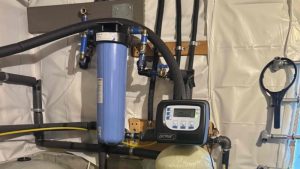
• Install a Filter: Certain point-of-use water filters are designed to reduce chlorine and its byproducts. Look for products certified to remove chlorine. While not a solution to the underlying source, filters can improve taste and odor.
• Shower Filters: If the smell is especially strong in the shower, showerhead filters can reduce chlorine exposure and improve overall comfort.
Keep in mind that filters need regular maintenance to stay effective. Check manufacturer recommendations and replace cartridges as directed.
When to Consider Water Testing
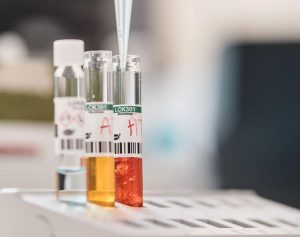
If the smell persists, or if you notice other changes in your water’s taste, appearance, or odor, it might be time to consider professional water testing. Testing can identify not only chlorine levels but other factors that may affect water quality and odor.
Local specialists can help you understand:
• Chlorine concentration
• pH levels
• Total dissolved solids
• Any metals or contaminants present
Professional water testing isn’t just about smell it’s about understanding what’s in your water and ensuring it meets safety and comfort standards.
Exploring the services offered by reputable testing providers can help you determine which tests are right for your home.
Chlorine vs. Chloramine: Different Smells, Similar Uses
Some water systems use chloramine instead of free chlorine. Chloramine is a combination of chlorine and ammonia and can give water a slightly different smell. While less common, chloramine use can sometimes be mistaken for a stronger chlorine scent.
Checking with the local water utility or your testing specialist can help determine what disinfectant is being used in your system and how that might affect smell or taste.
Final Thoughts
A strong chlorine smell in your bathroom water isn’t unusual, especially in urban systems like Jersey City’s where municipal treatment and distribution interact with aging infrastructure and home plumbing.
While the smell can be unpleasant, it’s usually a sign that the necessary disinfectant is still present keeping your water safe from harmful pathogens. That said, strong or persistent odors deserve attention, especially if they affect your comfort or raise questions about water quality.
Understanding why the chlorine smell seems stronger can help you take practical steps to manage it. From simple flushing techniques to point-of-use filters and professional testing, there are ways to make your water more enjoyable without compromising safety.
If you want clarity about what’s in your home’s water, local testing professionals are ready to help. You can reach out via the contact page with questions or to schedule testing that fits your needs.
Clean, comfortable water isn’t just about safety it’s about peace of mind every time you turn on the tap.