
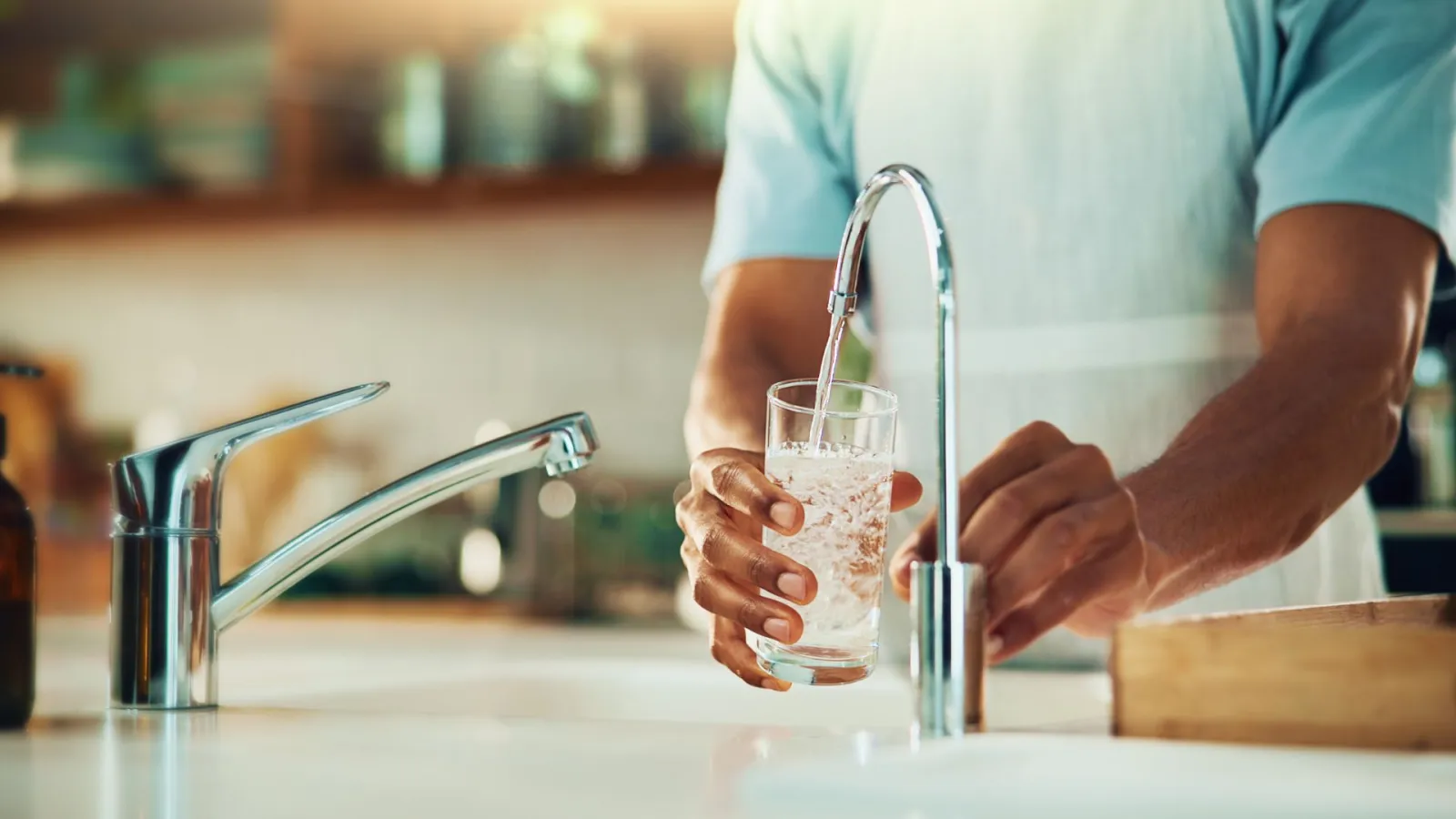
When a Jersey City homeowner completed a full kitchen remodel new cabinets, quartz countertops, stainless steel appliances, and a sleek “lead-free” faucet water quality wasn’t top of mind.
The space looked flawless. Everything was brand new.
But a routine water test after the renovation revealed something unexpected.
Here’s what happened and why post-remodel testing is becoming more common across Jersey City.
The Remodel Looked Perfect
The property was a 1940s row home in Jersey City. The renovation included:
- Replacing visible copper supply lines
- Installing a modern faucet
- Updating shutoff valves
- Connecting to existing plumbing behind the wall
The contractor flushed the lines after installation. The water ran clear. No odor. No discoloration.
From the surface, everything appeared resolved.
But because the homeowner had young children, they decided to schedule professional water testing services as a precaution.
The Test Results Were Surprising
The first-draw sample (water that had been sitting overnight) showed elevated copper and low-level lead above what the homeowner expected.
The flushed sample taken after running the tap for 90 seconds dropped significantly.
That pattern pointed to something specific: corrosion occurring inside older upstream plumbing, not the new faucet itself.
According to the U.S. Environmental Protection Agency (EPA), lead most commonly enters drinking water through corrosion of plumbing materials, including pipes and solder not from the treatment facility (https://www.epa.gov/ground-water-and-drinking-water/basic-information-about-lead-drinking-water).
In this case, the remodel had replaced visible components but not the deeper branch lines behind the wall.
Why Renovations Can Trigger Changes
During kitchen remodels, contractors often:
- Cut into existing pipes
- Disturb long-standing corrosion layers
- Connect new copper to older galvanized sections
- Install new brass fittings
When old mineral scale is disrupted, it can temporarily increase metal leaching.
Even if the final system looks modern, internal pipe age still determines how water interacts with plumbing.
Homeowners reviewing general local water information often assume municipal supply is responsible for post-renovation changes. In many cases, the issue originates inside the property.
The Role of Mixed-Era Plumbing
In Jersey City, it’s common to find homes with multiple plumbing generations layered together:
- Original mid-century copper
- 1980s repairs
- 2000s upgrades
- Brand-new 2020s fixtures
Each connection point between old and new materials creates potential for corrosion differences.
Buildings in certain older locations may be especially prone to this issue due to infrastructure age.
In this case, the homeowner’s new faucet wasn’t the source it was the older copper line further upstream.
Why First-Draw Testing Matters
The elevated metals appeared primarily in first-draw samples.
This matters because first-draw water is exactly what’s used for:
- Filling a morning glass
- Mixing infant formula
- Preparing coffee
- Rinsing fruit
After flushing, levels dropped suggesting stagnation and corrosion were contributing factors.
Educational resources in the company’s blog explain why stagnation increases metal concentrations in aging plumbing systems.
Common testing procedures and interpretation guidance are also outlined in the FAQ section.
What the Homeowner Did Next
After reviewing results, the homeowner:
- Began flushing cold water for 60–90 seconds each morning
- Installed a certified lead-reducing filter
- Scheduled a plumbing inspection of upstream lines
- Planned gradual replacement of older branch pipes
Because the issue was identified early, corrective steps were straightforward.
If the homeowner had relied solely on appearance, the elevated levels would have gone unnoticed.
Why Post-Remodel Testing Makes Sense
A kitchen remodel changes plumbing connections. Even when done correctly, it can:
- Shift corrosion layers
- Introduce new fittings
- Alter water flow patterns
- Disturb sediment
Testing confirms that the system has stabilized.
If you’ve recently renovated your kitchen and want confirmation that water quality is stable, the contact page provides a direct way to schedule post-remodel testing.
Why This Is Especially Relevant in Jersey City
Jersey City’s housing stock includes homes and buildings constructed across many decades. Full pipe replacement rarely happens during cosmetic renovations.
As a result, many remodeled kitchens connect to older infrastructure hidden behind walls.
Testing after renovation isn’t about distrust it’s about verification.
Final Thoughts
The Jersey City kitchen remodel looked flawless. But the water test told a deeper story.
New fixtures don’t automatically replace old pipes.
Clear water doesn’t always mean stable chemistry.
Renovations can disturb decades of buildup inside plumbing systems.
A simple water test provided clarity and allowed the homeowner to act early.
If you’re investing in a kitchen upgrade, make water testing the final step. It’s the only way to ensure that what looks new on the outside is safe on the inside.