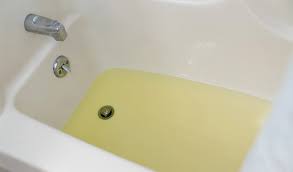
You turn on the faucet to fill your bathtub and instead of clear water, you see a yellow tint swirling around the drain. It can be alarming. Is it rust? Is it dangerous? Should you avoid using it?
If you’re in Jersey City and noticing yellow water in your bathtub, you’re not alone. Discoloration is one of the most common local water concerns, especially in older neighborhoods with aging infrastructure. The good news? In many cases, the cause is identifiable and fixable. But understanding why it’s happening is key.
Let’s break down what yellow water usually means, what causes it in Jersey City homes, and when it’s time to get professional testing.
Iron in the Water Supply
The most common reason bathtub water appears yellow is iron.
Iron can enter your water in two main ways:
- From older municipal water mains
- From corroding pipes inside your home
When iron oxidizes (reacts with oxygen), it turns a yellow, orange, or brownish color. That tint becomes especially noticeable when you fill a bathtub because large volumes of water make discoloration easier to see.
According to the U.S. Environmental Protection Agency (EPA), iron is considered a secondary contaminant meaning it mainly affects taste, color, and staining rather than posing a direct health risk at typical levels (see EPA guidance on secondary drinking water standards: https://www.epa.gov/sdwa/secondary-drinking-water-standards-guidance-nuisance-chemicals).
If you’re seeing yellow water along with rust-colored stains in sinks or around drains, iron is a strong possibility.
Aging Infrastructure in Jersey City
Jersey City has many historic buildings and older plumbing systems. Cast iron and galvanized steel pipes were widely used decades ago. Over time, these materials corrode.
When corrosion flakes off inside pipes, sediment can mix with your water and create temporary discoloration. This is especially common after:
- Water main repairs
- Fire hydrant flushing
- Construction in your neighborhood
- Pressure changes in the system
If your yellow water appeared suddenly after nearby street work, it may clear within a few hours once sediment flushes through.
You can review area-specific water characteristics by learning more about local water conditions in Jersey City.
Water Sitting in Pipes Overnight
Sometimes the cause is simply stagnant water.
When water sits in pipes for long periods like overnight or while you’re away minerals and small amounts of corrosion can accumulate. The first draw in the morning may appear yellow, but it often clears after running the tap for 30–60 seconds.
If the discoloration only happens first thing in the morning and improves quickly, internal plumbing corrosion may be contributing.
Running cold water briefly before bathing or cooking can help reduce visible discoloration in these cases.
Galvanized Pipes in Older Homes
Homes built before the 1960s often used galvanized steel plumbing. These pipes are coated with zinc to prevent rust, but over time the protective layer breaks down.
When that happens, rust builds inside the pipe walls. Eventually, small flakes break loose and discolor the water. Bathtubs tend to show this most clearly because of the white porcelain background.
If you’re unsure what type of plumbing your property has, professional water testing services can help identify whether internal pipe corrosion is contributing to the issue.
Is Yellow Water Dangerous?
That depends on the cause.
If iron or sediment is responsible, the issue is typically aesthetic meaning it affects appearance and taste more than safety. However, discoloration should never be ignored.
In rare cases, yellow or brown water can signal:
- Elevated manganese
- Disturbed lead service lines
- Broader corrosion issues
The Centers for Disease Control and Prevention (CDC) emphasizes that changes in color, taste, or smell should prompt investigation, even if they don’t automatically indicate a health emergency (https://www.cdc.gov/healthywater/drinking/public/water_quality.html).
Because discoloration alone doesn’t identify the contaminant, testing is the only way to know for sure.
When Yellow Water Is a Bigger Concern
Consider professional testing if:
- The water stays yellow for several days
- Both hot and cold water are discolored
- You see particles or sediment
- Your home was built before 1986
- You’re pregnant or have young children
Even if the discoloration seems minor, persistent changes deserve attention.
Working with a provider familiar with Jersey City infrastructure makes a difference. Local specialists understand the housing stock, pipe materials, and distribution patterns unique to different neighborhoods.
You can explore coverage areas under locations to see if your property falls within common concern zones.
What You Can Do Immediately
If you notice yellow water, take these steps:
Run the cold water tap for several minutes and see if it clears.
Avoid washing white laundry until water runs clear.
Do not use visibly discolored water for drinking until the cause is understood.
Check with neighbors to see if they’re experiencing the same issue.
If the issue affects multiple homes on your block, it may be related to municipal maintenance or flushing.
If it’s isolated to your home, plumbing corrosion is more likely.
Testing for Peace of Mind
Water testing removes guesswork.
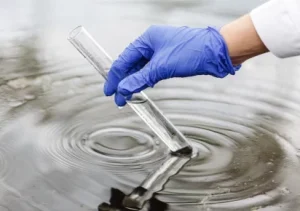
A comprehensive test can measure:
- Iron
- Manganese
- Lead
- Copper
- pH balance
- Total dissolved solids
This not only identifies the source of discoloration but also determines whether any contaminants exceed recommended levels.
If you want to understand the process better, the company’s blog offers additional insights into common local water concerns. For direct answers to common questions, the FAQ page can also be helpful.
Preventing Future Discoloration
Long-term solutions depend on the cause:
If municipal sediment is the issue, the problem may resolve on its own after flushing.
If pipe corrosion is to blame, you may need plumbing updates or corrosion-control treatment.
If iron levels are naturally high, filtration systems designed for iron removal can significantly improve clarity.
The key is diagnosing the problem correctly before investing in equipment.
Why Local Expertise Matters
Water issues are highly regional. What’s normal in one city may not apply in another.
Jersey City’s combination of historic housing, varied pipe materials, and dense urban infrastructure creates unique water quality challenges. A local provider understands:
- Which neighborhoods have older service lines
- Where galvanized pipes are common
- How seasonal treatment adjustments affect water appearance
If you’re unsure whether your yellow water is temporary or a deeper issue, reaching out through the contact page allows you to describe your situation and schedule professional guidance.
Final Thoughts
Yellow water in your Jersey City bathtub can be unsettling but it’s usually explainable. In many cases, iron or disturbed sediment is responsible. Sometimes it’s as simple as water sitting in aging pipes overnight.
Still, discoloration is your home’s way of signaling that something has changed. Even when the cause isn’t dangerous, identifying it protects your plumbing, your appliances, and your peace of mind.
Clear water should look clean and feel reassuring. If yours doesn’t, a quick investigation can make all the difference.
When in doubt, don’t guess test.