
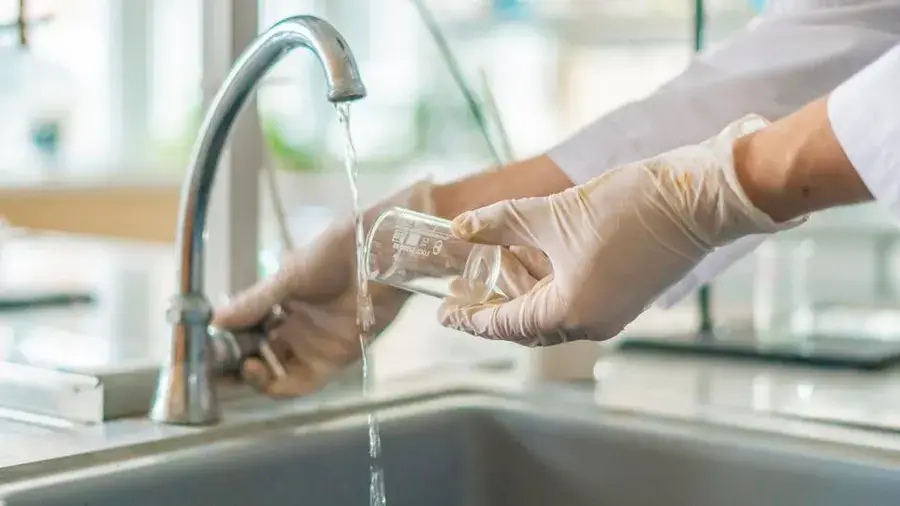
When people think about water testing in Jersey City, lead is often the first concern that comes to mind. That makes sense. Older homes, service lines, fixtures, and plumbing materials can make lead an important topic. But lead is not the only reason to test tap water.
A home water test can reveal much more than one contaminant. Depending on the test panel, it may help identify metals, minerals, bacteria, pH balance, chlorine levels, hardness, total dissolved solids, and other factors that affect taste, staining, plumbing, appliances, and overall water confidence.
For homeowners, renters, landlords, and business owners, testing is useful because water quality is not only about the public supply. The water that reaches your faucet is also affected by your building’s plumbing, fixtures, service line, filters, and water use patterns. That is why two properties in the same neighborhood can still have different results.
Water Testing Is Not Only for Emergencies
Many people wait to test their water until something looks wrong. They may notice brown water, cloudy water, black particles, staining, a metallic taste, or an unusual odor. Those signs should not be ignored, but testing can also be useful before problems become obvious.
Some water concerns are visible. Others are not. Lead, certain metals, and some chemical concerns may not change the way water looks. A glass of water can appear clear while still needing closer analysis.
The U.S. Environmental Protection Agency explains that water systems test as part of regular monitoring, but those tests give a system-wide picture and do not necessarily reflect conditions at a specific tap. That is why home testing can be useful for property-level questions.
For Jersey City residents who want tap-specific information, professional water testing can help provide a clearer picture.
Lead and Copper
Lead and copper are two common reasons for tap water testing. They are often discussed together because both can enter water through plumbing materials. Lead may come from lead service lines, solder, or older fixtures. Copper may come from copper pipes, especially if water is corrosive.
Lead is a serious concern because it can affect health even at low levels, especially for young children and pregnant people. Copper can also cause issues at elevated levels and may contribute to blue-green staining or metallic taste in some cases.
The EPA’s National Primary Drinking Water Regulations explain that lead and copper are regulated through a treatment technique focused on controlling water corrosiveness. This is important at the system level, but a home’s own plumbing still matters.
Testing helps determine whether lead or copper is showing up at your specific faucet, not just in the broader water system.
Hardness Minerals
Hard water contains higher levels of minerals such as calcium and magnesium. Hardness is not usually considered a health concern, but it can affect daily life. It may leave spots on glassware, create scale buildup on faucets, reduce soap lather, affect coffee and tea taste, and contribute to mineral deposits in appliances.
In homes and businesses, hardness can matter for dishwashers, washing machines, water heaters, coffee machines, ice makers, and plumbing fixtures. For cafes, salons, restaurants, gyms, and offices, water hardness may affect equipment and customer experience.
Testing for hardness can help determine whether scale buildup is related to mineral content or another issue.
A hardness result can also help homeowners decide whether they need a softener, scale-control system, or no treatment at all.
pH Balance
Water pH measures how acidic or basic the water is. Very low pH can make water more corrosive, which may increase the chance that metals from plumbing enter the water. High pH can affect taste, scaling, and treatment performance.
For homes with older plumbing, pH can be especially useful because corrosive water may contribute to lead or copper leaching from pipes or fixtures.
Testing pH does not solve a water issue by itself, but it helps explain how water may interact with plumbing. If metals are present, pH can help guide next steps.
For local property owners, this is another reason water testing should look beyond one contaminant.
Chlorine Taste and Odor
Public water systems often use disinfectants to help control germs in water. Chlorine or chloramine can create a noticeable taste or smell, especially when water first comes from the tap.
Some chlorine taste or odor may be normal in treated public water. But if the smell becomes very strong, changes suddenly, or is paired with other symptoms like discoloration, it may be worth investigating.
Testing can help measure disinfectant levels and separate normal treatment taste from unusual water conditions.
For many homeowners, chlorine-related testing is less about emergency safety and more about taste, comfort, and filter selection. A properly selected filter may improve taste, but testing helps confirm what you are trying to reduce.
Iron and Staining
Iron in water can contribute to reddish-brown stains on sinks, tubs, toilets, and laundry. It may also cause a metallic taste or discoloration. Iron can come from source water, distribution systems, or building plumbing depending on the situation.
If you notice orange or brown staining, testing can help determine whether iron is part of the issue. It can also help separate iron concerns from sediment, rust, or other plumbing-related causes.
Iron is not the same as lead, and the response may be different. A stain problem needs the right diagnosis before treatment.
This is where water testing becomes useful: it prevents homeowners from buying the wrong filter or treatment system.
Manganese and Dark Stains
Manganese can sometimes cause dark brown or black staining and may affect taste or appearance. Like iron, it can be more noticeable in certain plumbing or water conditions.
If you see black particles, dark stains, or unusual discoloration, it is better to test than guess. Not every dark particle is manganese, and not every stain has the same cause.
Testing helps narrow down whether the issue is mineral-related, plumbing-related, fixture-related, or something else.
For homeowners, this can save time and money by pointing toward the right solution instead of trial-and-error fixes.
Total Dissolved Solids
Total dissolved solids, often called TDS, measure the amount of dissolved substances in water. This can include minerals, salts, and other dissolved materials. TDS does not identify every substance individually, but it can provide a broad snapshot of water’s mineral content.
High TDS can affect taste and may indicate that more detailed testing is needed. Low TDS may be expected after certain filtration systems such as reverse osmosis.
TDS meters are common, but they are limited. A TDS reading alone cannot tell you whether water is safe or unsafe. It does not specifically identify lead, bacteria, or many other concerns.
A lab-based water test is more useful when you need to know what is actually in the water.
Bacteria Concerns
For homes connected to a public water system, bacterial contamination is less common than in private wells, but it can still be relevant in certain situations. Plumbing repairs, storage tanks, cross-connections, building plumbing problems, or unusual conditions may raise concern.
For private wells, annual testing is strongly recommended. The CDC advises private well owners to test at least once a year for total coliform bacteria, nitrates, total dissolved solids, and pH.
Most Jersey City homes are connected to a public water supply, but bacteria testing may still be useful for certain properties, businesses, or specific concerns.
If water has a sudden odor, unusual appearance, or a known contamination event, testing and local authority guidance should be taken seriously.
Nitrates and Other Chemical Concerns
Nitrates are more commonly discussed with private wells and agricultural areas, but they may appear in broader water testing panels depending on the property and concern. Nitrates can be especially important for infants.
Other possible testing categories may include volatile organic compounds, disinfection byproducts, PFAS, or other chemicals depending on location, water source, and reason for testing.
Not every home needs every possible test. The right test depends on the property, plumbing, water source, symptoms, and user concerns.
A professional testing service can help match the test panel to the actual question.
Why Certified Labs Matter
Water testing should be reliable. The sample collection method, container, preservation, timing, and lab method can affect results. This is especially true for contaminants like lead, bacteria, and certain chemicals.
New Jersey DEP provides resources for certified laboratories, including certified drinking water labs. Using a properly certified lab helps ensure that testing is handled according to recognized standards.
DIY test strips may be helpful for quick screening, but they are not the same as laboratory testing. If results will guide major decisions about plumbing, filtration, property sales, rentals, or health concerns, certified lab testing is the better choice.
Professional testing helps reduce guesswork and sampling errors.
Testing Helps Choose the Right Filter
Filters are not one-size-fits-all. A filter designed to improve taste may not remove lead. A filter certified for lead may not treat bacteria. A sediment filter may not reduce dissolved chemicals. A reverse osmosis system may reduce many contaminants but requires maintenance and may not be necessary for every home.
Testing helps identify what needs to be addressed. Without testing, homeowners may buy filters based on marketing rather than actual water conditions.
A water test can also help evaluate whether a current filter is working. If you already use a pitcher, under-sink filter, refrigerator filter, or whole-house system, testing before and after filtration may show whether it is reducing the concern you care about.
For local support, visit the services page.
Testing Can Help Explain Fixture and Appliance Problems
Water quality can affect more than drinking. It can influence appliances, fixtures, cleaning, and plumbing maintenance.
Hardness may cause scale. Iron may cause stains. Low pH may contribute to corrosion. Sediment may clog aerators. Chlorine taste may affect coffee and tea. High mineral content may affect ice makers or humidifiers.
Testing helps connect symptoms to possible causes. Instead of replacing fixtures repeatedly or buying random filters, homeowners can use test results to make targeted decisions.
For businesses, this can be especially important because equipment problems can become expensive.
Water Testing for Rentals and Multi-Family Buildings
Renters and landlords both benefit from clear water information. A tenant may want to know what is coming from their kitchen tap. A landlord may want documentation for a rental unit. A property manager may want to evaluate water quality across multiple units.
In multi-family buildings, results may vary by tap, unit, floor, or plumbing branch. Testing can help identify whether a concern is building-wide or isolated to one faucet or unit.
This is especially useful in older Jersey City buildings where plumbing may have been updated in stages over many years.
Property-level testing supports better communication and better decisions.
When to Schedule a Water Test
A water test can be useful when moving into a new home, buying a property, renting an older apartment, installing a filter, noticing taste or odor changes, seeing stains, completing plumbing work, having a baby, managing a business, or wanting a baseline.
Testing may also be useful after service line replacement or major building repairs. Plumbing disturbances can temporarily affect water quality, and follow-up testing can provide reassurance.
There is no need to wait for a crisis. Testing can be part of normal property care.
For questions about testing options, visit the FAQ page.
Local Water Knowledge Matters
Jersey City has its own mix of water infrastructure, older properties, renovated buildings, high-rise apartments, businesses, and neighborhood plumbing conditions. That local context matters when deciding what to test for.
A generic water test may not answer the exact question a homeowner has. A more thoughtful approach considers property age, plumbing materials, building type, filtration, symptoms, and whether the space is residential or commercial.
The local water page can help residents think about Jersey City-specific water concerns before scheduling testing.
Final Thoughts
A home water test can reveal much more than lead. Depending on the test panel, it may identify copper, hardness, pH, iron, manganese, chlorine, total dissolved solids, bacteria, nitrates, and other concerns. These results can help explain taste, odor, stains, scaling, appliance issues, filter performance, and plumbing-related questions.
Clear water is not the same as tested water. Public water monitoring is important, but property plumbing can still affect what comes out of your own faucet.
For Jersey City homeowners, renters, landlords, and businesses, water testing provides practical information. It can guide filter choices, support maintenance decisions, create a baseline, and offer more confidence in daily water use.
To learn more, visit the Olympian Water Testing Jersey City blog or contact the team through the contact page to ask about testing options for your property.