
Lead service lines can sound like a city infrastructure problem, but for homeowners, renters, landlords, and business owners, they are also a property-level water quality concern. The water that reaches your faucet may travel through public mains, service lines, building plumbing, fixtures, and faucets before you ever fill a glass. If any part of that path contains lead or lead-related materials, the water at your tap may deserve closer attention.
For Jersey City residents, this topic is especially important because the city has older housing stock, historic neighborhoods, renovated buildings, rental units, multi-family properties, and active lead service line replacement work. Many people hear about these programs and wonder what it means for their own home. Does a lead service line mean the water is unsafe? Should you test? Is a filter enough? Can you see lead in water?
The short answer is that you cannot rely on appearance alone. Lead in drinking water is not something you can usually see, smell, or taste. Testing is the most reliable way to understand what is happening at your specific tap.
What Is a Lead Service Line?
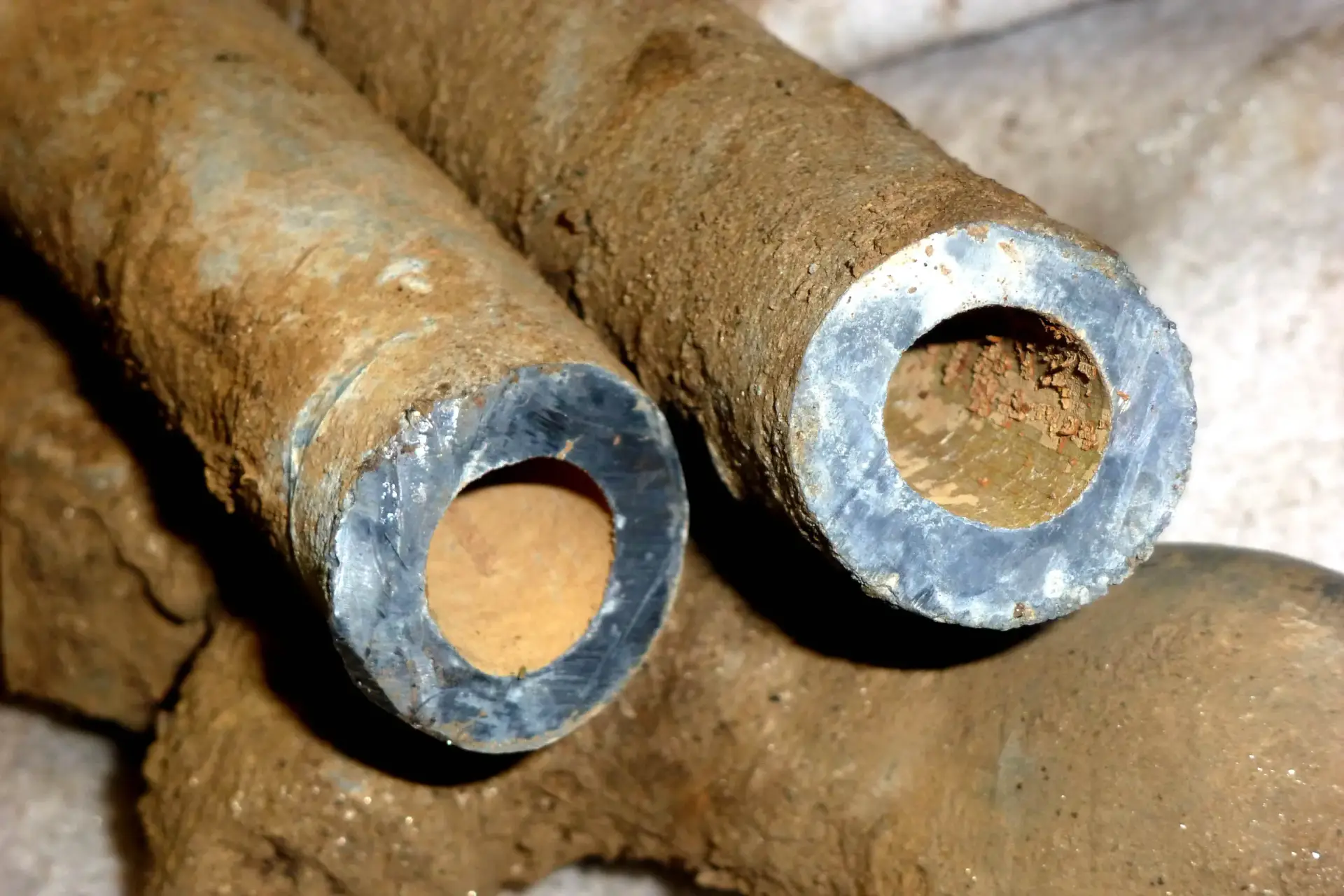
A service line is the pipe that connects the water main in the street to a building’s plumbing. In older properties, this service line may be made of lead or may include lead-containing parts. Lead can also be present in older solder, brass fixtures, valves, or plumbing components.
A lead service line does not automatically mean every glass of water has high lead levels. Water chemistry, corrosion control, pipe condition, water use patterns, and plumbing materials all matter. But lead service lines are considered a major possible source of lead in drinking water, which is why replacement programs exist.
New Jersey’s lead service line replacement requirements define lead service lines broadly and require community water systems to identify and replace them. The state law requires replacement of lead service lines by 2031.
For Jersey City property owners, this makes it important to understand your own plumbing situation and consider professional water testing if you are unsure.
Why Lead in Tap Water Matters
Lead is a health concern because it can affect the body even at low levels, especially for infants, young children, and pregnant people. It is also a concern because it is not always obvious. Water can look perfectly clear and still contain lead.
The U.S. Environmental Protection Agency explains that testing is the only sure way to know whether there is lead in drinking water. That is a key point for homeowners: visual checks and taste tests are not enough.
Testing gives property-specific information. That matters because your neighbor’s home may not have the same service line, plumbing, fixtures, or faucet materials as yours. Even units in the same building can sometimes have different conditions depending on plumbing layout and water use.
Jersey City’s Lead Service Line Replacement Work
Jersey City has a public lead service line replacement program through Lead Free JC. The program states that properties with known lead service lines will be scheduled for replacement, with prioritization based on factors such as known lead service lines and populations more sensitive to lead exposure.
This is important progress, but it does not remove the need for property awareness. Replacement programs take time. Some properties may still be waiting. Some buildings may have unknown service line materials. Some homes may have older internal plumbing or fixtures even after service line work.
That is why local residents should stay informed through city resources while also paying attention to their own tap water. A citywide program and a property-level water test answer different questions.
For more information on local water concerns, visit the local water page.
Public Water Monitoring Is Not the Same as Your Faucet
Public water systems are monitored under federal and state rules. Jersey City’s water information notes that the EPA and NJDEP establish regulations and require water suppliers to provide Consumer Confidence Reports.
That monitoring is important, but it does not always tell you what is happening inside your specific building. Once water enters a service line and building plumbing, local property conditions can affect the final tap result.
This is why a home with older pipes may need attention even if the public water system is generally monitored. Water quality at the treatment or distribution level is not always identical to water quality at one kitchen faucet after water has passed through older property plumbing.
Testing at the tap helps fill that gap.
Older Homes and Renovated Buildings Still Need Attention
Many Jersey City homes have been renovated over time. A kitchen may look new, but the plumbing behind walls may still include older materials. A bathroom may have updated fixtures, but the service line may not have been replaced. A building may have modern appliances but still connect to older infrastructure.
This is why renovation alone does not guarantee water quality. If you recently bought a renovated property, moved into an older building, or manage rental units, it is worth asking about plumbing age and service line material.
Testing can be useful before and after plumbing work. It can also provide a baseline for future comparison.
For property owners and managers, the services page can help explain testing options for homes, rentals, and businesses.
Can You Check Your Own Service Line?
Some homeowners may be able to inspect visible portions of the service line where it enters the building, often near the water meter. Lead pipes may appear dull gray and can sometimes be scratched to reveal a shiny silver color. However, visual identification can be difficult, and not all parts of the service line are visible.
The EPA’s Protect Your Tap guide explains how residents can perform a quick check for possible lead pipes, but it also recommends contacting the water system or a licensed plumber if you are unsure.
A visual check may be a helpful first step, but it does not replace water testing. A property may have lead-containing fixtures or plumbing materials even if the visible pipe section is not lead. Testing still provides the clearest information about water at the tap.
Why First-Draw Water Matters
For lead testing, sample timing can matter. First-draw water usually means water collected after it has been sitting in the pipes for several hours, such as overnight. This can help show what may be leaching from plumbing during stagnation.
Flushed water, collected after running the tap, may show different results. Both types of samples can provide useful information, depending on the purpose of the test.
This is why professional sampling instructions matter. If a sample is collected incorrectly, the results may be less useful. Water testing should match the concern being investigated.
A proper testing process helps homeowners understand whether the issue may be related to stagnant plumbing water, general tap conditions, or another factor.
Filters Can Help, but Only When Chosen Correctly
Many residents buy water filters to reduce concern. Filters can be helpful, but not all filters remove lead. A filter that improves taste may not be certified for lead reduction. A pitcher filter may have different capabilities from an under-sink system. A whole-house filter may not solve every tap-level issue.
If lead is the concern, look for filters certified for lead reduction by an independent testing organization. Follow installation and replacement instructions carefully. An expired filter cartridge may not perform as expected.
Testing before buying a filter can help you choose the right solution. Testing after installation can help confirm whether the filter is doing what you need it to do.
A filter should be matched to the water problem, not chosen based only on marketing.
Simple Steps to Reduce Possible Lead Exposure
While waiting for test results, service line replacement, or plumbing updates, residents can follow practical steps to reduce possible exposure. Use cold water for drinking and cooking. Do not use hot tap water for cooking or preparing drinks. Let water run before use if it has been sitting in the pipes for several hours. Clean faucet aerators regularly. Use certified filters when appropriate.
Boiling water does not remove lead. This is a common misunderstanding. Boiling may help with certain microbial concerns in specific situations, but it does not solve lead in water.
If lead is suspected or confirmed, follow guidance from local authorities, your water provider, and qualified professionals.
Renters Should Ask Questions Too
Renters may feel they have less control over plumbing, but they can still ask important questions. Ask the landlord or property manager whether the building has a known lead service line, whether any water testing has been done, whether plumbing has been updated, and whether tenants have received any notices.
Renters can also test water from their own tap. This can be especially useful if they have infants, young children, pregnant household members, or health concerns.
If a test identifies an issue, the next step may involve discussing results with the landlord, using certified filtration, contacting local agencies, or seeking professional guidance.
Water quality is not only a homeowner issue. Renters deserve clear information too.
Businesses Should Not Ignore Lead Concerns
Jersey City businesses may also have older plumbing, especially in converted spaces, older storefronts, mixed-use buildings, cafes, offices, salons, wellness studios, and childcare-related spaces.
A business that serves water, uses ice, prepares drinks, makes coffee, or provides water to customers or employees may want to understand its tap water quality. Testing can help business owners make informed decisions about filtration, maintenance, and customer confidence.
Commercial water use can be different from residential water use. Some taps may sit unused overnight or over weekends. That stagnation can matter when testing for plumbing-related contaminants.
Businesses can check the locations page for service area details.
Testing After Lead Service Line Replacement
Lead service line replacement is an important long-term improvement, but water testing may still be useful afterward. Plumbing work can temporarily disturb sediment, and internal plumbing may still contain older materials.
Residents should follow any instructions provided by the water utility after replacement work. This may include flushing guidance, filter use, or follow-up communication.
A post-replacement test can help provide reassurance and create a new baseline for the property. It can also help identify whether additional internal plumbing or fixture issues should be considered.
Replacement is progress, but testing helps confirm what is happening at the faucet.
Do Not Wait for Discolored Water
Some people only think about testing when water looks brown, cloudy, or unusual. While visible changes should be taken seriously, lead does not require visible discoloration. Clear water can still need testing.
This is why proactive testing makes sense in older buildings, homes with unknown service line materials, properties with young children, and spaces that recently had plumbing work.
Waiting for a visible warning sign can leave important questions unanswered.
Testing is a practical step, not an overreaction.
What a Water Test Can Help You Decide
A water test can help you decide whether you need a certified filter, whether plumbing should be investigated, whether follow-up testing is needed, or whether a concern is coming from a specific tap.
It can also help separate lead concerns from other water issues. For example, a metallic taste may be related to iron, copper, or another factor. Staining may involve minerals. Odor may involve different causes. Testing helps identify what is actually present instead of guessing.
For common testing questions, visit the FAQ page.
Final Thoughts
Lead service lines are an important water quality issue for Jersey City residents, especially in older homes, rental buildings, renovated properties, and commercial spaces. Public water monitoring matters, but the water at your own faucet can still be affected by service lines, internal plumbing, fixtures, and daily use patterns.
You cannot reliably see, smell, or taste lead in drinking water. Testing is the best way to understand your tap water. Filters can help when chosen correctly, but testing helps determine what kind of filter or plumbing action may be needed.
For homeowners, renters, landlords, and businesses, water testing provides clarity. It helps turn uncertainty into useful information and supports smarter decisions about filtration, maintenance, service line replacement, and long-term water safety.
To learn more, visit the Olympian Water Testing Jersey City blog or contact the team through the contact page to ask about testing options for your property.