
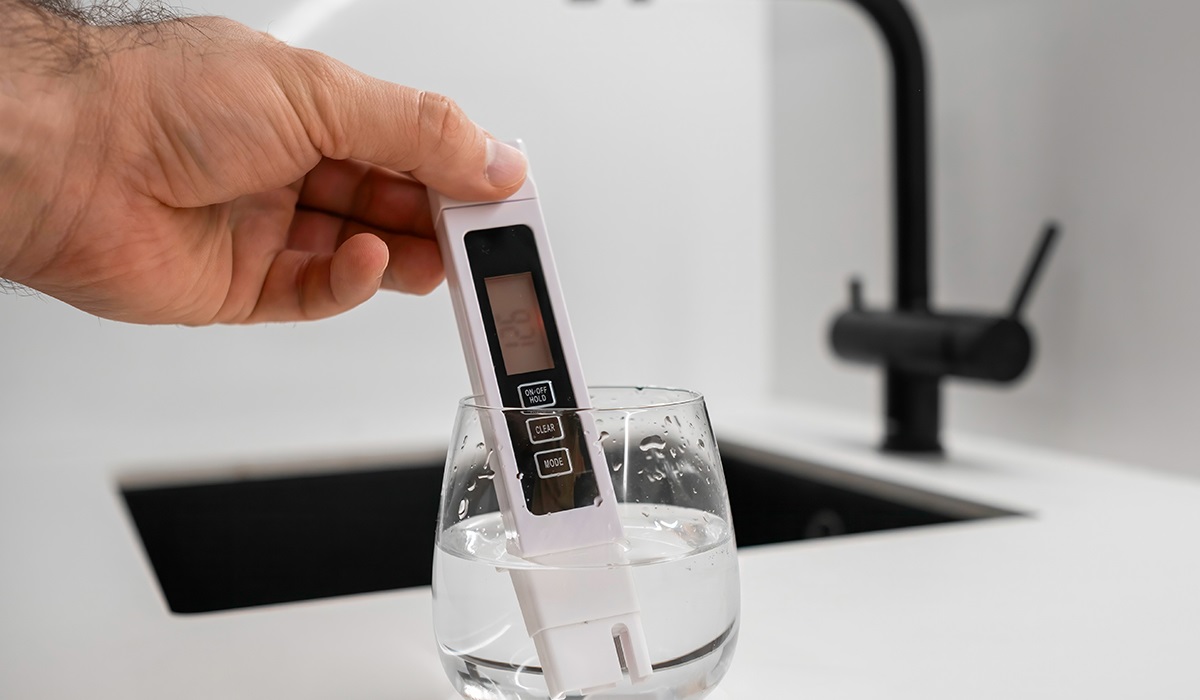
Water testing is often something homeowners think about only after a problem appears. A faucet starts producing cloudy water. A metallic taste shows up. Brown stains appear in the sink. A filter stops helping. A neighbor mentions lead service lines. A landlord sends a notice. Suddenly, water quality becomes urgent.
But water testing does not have to wait for an obvious warning sign. In many cases, testing is most useful before a major issue appears. It can create a baseline, guide filter choices, support property decisions, and help homeowners understand what is happening at the tap they use every day.
For Jersey City homeowners, testing can be especially practical because local properties vary widely. Some homes are older. Some have been renovated. Some have unknown service line materials. Some have newer plumbing mixed with older fixtures. A water test helps turn those unknowns into clearer information.
When Moving Into a New Home
One of the best times to schedule water testing is after moving into a new home. Even if the home inspection looked good and the water appears clear, the test can help confirm what is coming from the taps you will use every day.
A new home may have older plumbing behind updated finishes. A remodeled kitchen may still connect to older pipes. A newly purchased condo or brownstone may have fixtures that were replaced without a full plumbing upgrade.
Testing gives you a starting point. It can help identify concerns early and guide whether you need filtration, fixture updates, plumbing inspection, or simple maintenance.
For new homeowners, water testing can be part of responsible move-in planning, just like checking HVAC, electrical systems, locks, and appliances.
Before Buying a Property
Water testing can also be useful before buying a property, especially if the home is older or if the plumbing history is unclear. Buyers often focus on roof condition, foundation, heating, electrical systems, and visible repairs. Water quality may not always get the same attention, even though it affects daily life.
Testing before purchase can help buyers ask better questions. Are there lead service line concerns? Is the plumbing old? Are fixtures contributing to metals? Is there hard water that may affect appliances? Are there staining or taste issues?
A water test does not replace a full home inspection, but it can add useful information. For Jersey City homes, where older and renovated properties often sit side by side, this can be especially helpful.
The local water page can help homeowners understand why property-level water testing matters.
After Plumbing Repairs or Renovations
If you recently replaced pipes, changed fixtures, remodeled a kitchen, installed a water heater, completed bathroom work, or had a service line repaired, water testing can provide useful follow-up information.
Plumbing work can disturb sediment inside pipes. It can also introduce new materials into the water path. Sometimes water looks cloudy or discolored after repairs. Other times, there may be no visible change, but testing can still provide reassurance.
This is especially true in older homes where new fixtures may connect to older plumbing behind walls. A renovation can improve appearance without fully addressing hidden water quality concerns.
Testing after plumbing work helps create a new baseline and may confirm whether additional steps are needed.
If Your Home Has Older Plumbing
Older homes are one of the strongest reasons to consider water testing. Lead, copper, iron, galvanized pipes, older solder, brass fixtures, and aging plumbing materials can all affect tap water.
The U.S. Environmental Protection Agency explains that lead can enter drinking water from service lines and household plumbing materials. The EPA also notes that lead in water cannot be seen, tasted, or smelled reliably, which is why testing is important. You can review EPA guidance on lead in drinking water.
If you do not know what type of plumbing your home has, testing can help identify whether metals are showing up at the tap. It can also help you decide whether a plumber, certified filter, or further investigation is needed.
Older plumbing does not automatically mean unsafe water, but it does mean testing is a smart step.
If You Have a Baby or Young Children
Families with babies or young children may want more confidence in the water used for drinking, cooking, formula preparation, and food prep. Children can be more sensitive to certain contaminants, especially lead.
If your household includes infants, toddlers, pregnant people, or anyone with health vulnerabilities, water testing can be a practical precaution. This is especially important in older homes, rental units, or buildings with unknown plumbing materials.
For formula preparation, water quality matters because babies may drink formula several times a day. If there are lead concerns, boiling water is not a solution. The EPA states that boiling water does not remove lead.
Testing helps families make informed decisions about tap water, filters, bottled water, and plumbing questions.
If Water Taste Changes Suddenly
A sudden change in taste is a good reason to consider testing. Metallic, bitter, salty, earthy, chemical, or chlorine-like tastes can point to different possible causes.
Taste changes do not always mean the water is unsafe. Sometimes they are related to seasonal treatment changes, plumbing repairs, minerals, or stagnant water. But if the change is strong, persistent, or unexplained, testing can help identify what is happening.
A metallic taste may suggest copper, iron, or plumbing-related issues. A strong chlorine taste may be related to disinfectant levels. A salty taste may suggest dissolved minerals or another issue.
Testing helps avoid guessing and makes it easier to choose the right next step.
If Water Smells Unusual
Odor changes are another reason to schedule testing. Some water smells are related to the drain rather than the water itself, but others may come from the water supply or building plumbing.
A rotten-egg smell may involve sulfur-related compounds or bacteria in certain situations. A strong chlorine smell may be related to disinfection. A musty smell may suggest organic matter or plumbing conditions. A metallic smell may point to corrosion or minerals.
To narrow the issue, compare hot and cold water. Check whether the smell appears from one faucet or multiple faucets. Notice whether it is stronger after water has been sitting.
Testing can help identify whether the odor is connected to water quality or whether plumbing inspection may be needed.
For help choosing testing options, visit the services page.
If You See Staining on Fixtures
Stains can provide clues about water chemistry. Orange or reddish-brown stains may point to iron. Blue-green stains may suggest copper corrosion. White scale may indicate hardness minerals. Black staining may involve manganese or other conditions.
Staining does not always mean the water is dangerous, but it can affect fixtures, appliances, laundry, and daily use. It can also suggest that water is interacting with plumbing materials.
Testing helps identify what is causing the stain. Without testing, homeowners may buy cleaning products, filters, or softeners that do not address the root cause.
If stains keep returning after cleaning, water testing is a practical next step.
Before Installing a Water Filter
Many homeowners buy filters before they know what is in their water. This can lead to wasted money. A filter should match the concern.
A taste filter may not reduce lead. A sediment filter may not address dissolved metals. A reverse osmosis system may not be necessary for every property. A refrigerator filter may improve taste but may not solve a specific contaminant problem.
Testing before buying a filter helps identify what needs to be reduced. It can also help you compare filter certifications and choose a system that fits your actual water results.
The EPA provides guidance on reducing lead exposure in drinking water, including using filters certified to remove lead when appropriate. Homeowners can review EPA resources through Protect Your Tap.
Testing first helps make filtration decisions smarter.
After Installing a Filter
Testing can also be useful after installing a filter. Many homeowners assume a filter is working, but the only way to confirm performance is to test filtered water.
A before-and-after test can show what changed. It can also reveal whether the filter was installed correctly, whether the cartridge is effective, or whether a different solution is needed.
Filters also need maintenance. If a filter is old, clogged, expired, or installed incorrectly, it may not perform as expected. Testing filtered water periodically can help confirm whether your system is still doing its job.
For homeowners using filters because of lead, metals, taste, hardness, or other concerns, follow-up testing can provide valuable reassurance.
If You Notice Sediment or Particles
Particles in water can come from several sources. They may be mineral deposits, pipe corrosion, water heater sediment, faucet aerator debris, or disturbances from plumbing work.
If you see black, white, brown, or metallic-looking particles, do not ignore them. Clean the faucet aerator, check whether particles appear in hot or cold water, and notice whether they come from one faucet or multiple taps.
Testing can help identify whether particles are connected to metals, minerals, or other water quality concerns. In some cases, plumbing inspection may also be needed.
A particle issue may be minor, but testing helps determine whether it needs attention.
If Your Water Heater Is Old
Water heaters can affect water quality, especially hot water. Sediment can build up inside older tanks. Corrosion, mineral deposits, and maintenance issues may affect appearance, odor, and performance.
Drinking and cooking water should generally come from cold tap water, not hot tap water. This is especially important if lead or metals are a concern because hot water can dissolve metals from plumbing more quickly.
If hot water has odor, discoloration, or sediment, water heater maintenance may be needed. Testing can help separate hot water concerns from cold tap concerns.
For drinking water questions, always focus first on the cold tap used for drinking and cooking.
If You Manage a Rental Property
Landlords and property managers may want water testing for documentation, tenant confidence, maintenance planning, or unit turnover. Testing can be especially useful in older buildings, multi-family homes, and properties with recent plumbing work.
A water test can help identify whether a concern is limited to one unit or present in multiple locations. It can also support decisions about filters, fixture replacement, service line questions, or plumbing maintenance.
For rental properties, clear information can reduce confusion and improve communication with tenants.
Water testing is a practical tool for responsible property management.
If You Own a Local Business
Businesses should also think about water testing. Cafes, restaurants, offices, childcare spaces, wellness studios, salons, gyms, and other businesses use water daily. Water quality can affect beverages, ice, equipment, customer experience, and employee confidence.
Testing may be useful when opening a new location, moving into an older building, installing filtration, noticing taste changes, or using water in customer-facing services.
Commercial spaces in older Jersey City buildings may have complex plumbing histories. Testing helps business owners understand conditions at the taps they actually use.
To confirm service area details, visit the locations page.
If There Has Been Nearby Water Main Work
Water main repairs, nearby construction, hydrant flushing, or service interruptions can temporarily disturb sediment. After such events, homeowners may notice cloudy water, discoloration, or particles.
Follow any instructions from the water provider or local authorities. Run taps as directed, clean aerators, and avoid using discolored water for drinking or cooking until conditions improve.
If water concerns continue after the event, testing can help identify whether the problem is temporary or connected to property plumbing.
A post-event test can be useful when water appearance does not return to normal.
If You Want a Baseline
Sometimes the best reason to test is simple: you want a baseline. A baseline test shows your water quality at a specific time. Later, if taste, odor, color, plumbing, or health concerns arise, you have something to compare against.
Baseline testing is useful for homeowners who plan to stay in a property long term. It is also useful after buying a home, after renovations, after filtration installation, or before renting a property.
A baseline does not guarantee that water quality will never change, but it gives you a reference point.
For common questions about testing, visit the FAQ page.
How Often Should You Test?
There is no single schedule that fits every home. Testing frequency depends on property age, plumbing materials, water source, household needs, and whether anything changes.
A homeowner with older plumbing may test more often than someone in newer construction. A family with infants or young children may want extra reassurance. A business may test as part of maintenance. A landlord may test between tenants or after plumbing work.
As a general rule, test when something changes: a move, renovation, new filter, plumbing repair, new baby, unusual taste, odor, staining, or water main work.
Testing should match your real risk factors and concerns.
Final Thoughts
Jersey City homeowners should consider water testing at key moments: when moving in, before buying, after renovations, when plumbing is older, before or after installing filters, when taste or odor changes, when stains appear, after water main work, or when a household has babies, young children, or sensitive residents.
Water testing is not only for emergencies. It can be part of normal property care. It helps identify concerns, guide filter choices, support plumbing decisions, and create confidence in daily water use.
Clear water is not always the same as tested water. A property-level test gives information about the tap you actually use.
To learn more, visit the Olympian Water Testing Jersey City blog or contact the team through the contact page to ask about testing options for your home, apartment, rental property, or business.