
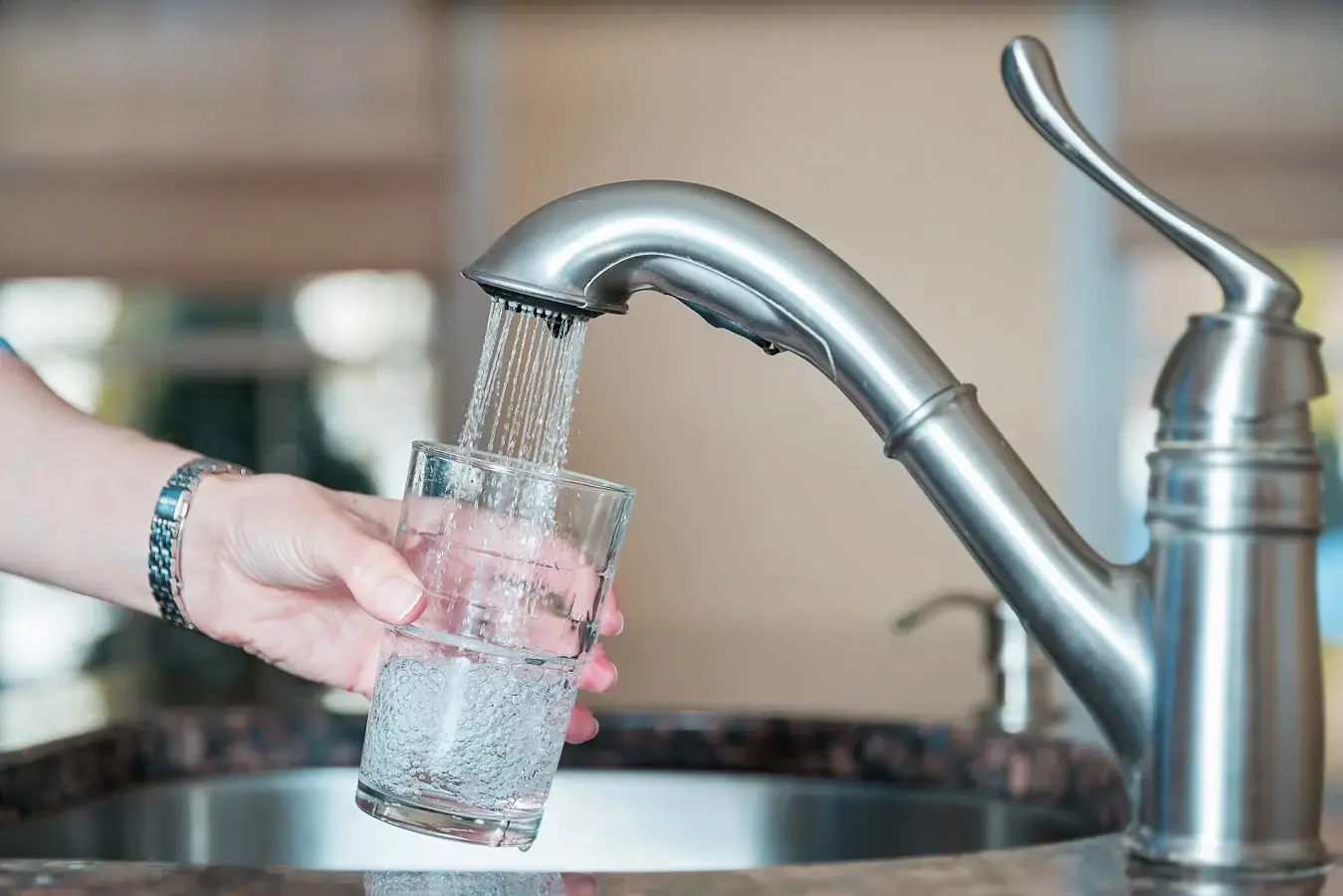
Clear tap water can feel reassuring. If the water looks normal, smells normal, and tastes normal, many homeowners assume everything is fine. In many cases, the water coming from a public supply is treated and monitored before it reaches the neighborhood. But the water that comes out of a specific kitchen faucet can still be affected by the building’s plumbing, fixtures, service line, water heater, filters, and how long water sits in the pipes.
That is why water testing can be useful even when there is no obvious problem. Some water issues are easy to notice, such as strong chlorine odor, cloudy water, staining, or a metallic taste. Others are invisible. Lead, certain metals, bacteria, and other concerns may not always change the appearance of water.
For Jersey City residents, testing is not about panic. It is about understanding what is happening at the tap inside your own home, apartment, rental unit, brownstone, condo, business, or multi-family property.
Clear Water Does Not Always Mean Tested Water
Water can look completely clear and still contain contaminants that cannot be seen. Lead is one of the best examples. You cannot reliably see, smell, or taste lead in drinking water. That means a glass of water can look normal while still needing testing if the home has older plumbing or a possible lead service line.
The U.S. Environmental Protection Agency explains that testing is the only sure way to know whether lead is present in drinking water. Homeowners can also use EPA’s Protect Your Tap guide to learn how to check for possible lead service lines.
For homes in Jersey City, this matters because many older properties may have plumbing conditions that differ from newer construction. Even when the city water supply is monitored, the final section of the water journey happens through the property’s own plumbing system.
That is where Olympian Water Testing Jersey City can help homeowners better understand their tap water.
The Water Journey Matters
Water does not magically appear at the faucet. It travels through treatment systems, distribution mains, service lines, building plumbing, valves, fixtures, and faucets. Each stage can affect water quality.
A public water provider may meet required standards at the system level, but your home’s plumbing can still influence what comes out of your tap. Older pipes, lead-containing materials, brass fixtures, corroded plumbing, sediment, and stagnant water can all affect results.
This is why two homes on the same street can have different water test results. One may have newer plumbing, while another may have older pipes or fixtures. One apartment may have water that sits in the pipes overnight, while another unit may use water constantly.
Testing gives property-specific information. It helps move the conversation from guessing to knowing.
Lead Is a Key Concern in Older Properties
Lead is one of the most important reasons to test water in older homes and buildings. Lead can enter drinking water when plumbing materials that contain lead corrode. This may include service lines, solder, fixtures, or other older components.
Jersey City has public information about lead service line replacement through Lead Free JC, which explains that Jersey City water is tested regularly while also noting that many older homes were built with lead pipes connecting them to the city water system.
That distinction is important. A community water system can be monitored, but a specific home may still have plumbing factors that deserve attention.
If you live in an older property, recently purchased a home, manage a rental unit, or are unsure about your plumbing, professional water testing can help identify whether lead or other metals should be addressed.
Testing Is Especially Useful After Plumbing Work
Water testing can be especially helpful after plumbing repairs, fixture replacements, service line work, or renovations. Disturbing old pipes can release sediment or temporarily affect water quality. Even replacing a faucet can change what materials water touches before reaching the glass.
If you recently remodeled a kitchen, replaced pipes, changed a water heater, installed a filtration system, or completed work in an older building, testing can provide a useful baseline.
This is also helpful for landlords, property managers, and real estate professionals. A test can document conditions at a specific time and help guide next steps if results show anything unusual.
Water testing is not only for emergencies. It is also a smart part of property maintenance.
Taste and Smell Are Not Enough
Taste and smell can alert you to some problems, but they cannot catch everything. A chlorine odor may be noticeable. A rotten-egg smell may suggest a specific issue. A metallic taste may raise concern. Cloudiness or discoloration may be visible.
But many contaminants do not announce themselves. Lead may not change taste or smell. Some metals may not be obvious at low levels. Water can appear clean while still requiring closer analysis.
This is why relying only on senses can be misleading. If the goal is confidence, testing is more reliable than guessing based on appearance.
For homeowners who are unsure what type of test they need, the services page can help explain available testing support.
Jersey City’s Older Housing Makes Testing Practical
Jersey City has a wide mix of property types: historic homes, older apartment buildings, renovated brownstones, new condos, commercial spaces, and multi-family rentals. That variety makes water quality highly property-specific.
A newly built apartment may have very different plumbing from a decades-old row house. A renovated kitchen may still connect to older pipes behind the wall. A building may have shared plumbing that affects multiple units differently.
Testing helps account for that local reality. Instead of assuming your home matches your neighbor’s home, a sample from your own tap gives more useful information.
This is why local water concerns should be considered at the property level as well as the city level.
Filters Do Not Replace Testing
Many people install filters and assume the problem is solved. Filters can be helpful, but only if they are chosen for the right contaminant, installed correctly, maintained properly, and replaced on schedule.
A basic pitcher filter may improve taste but may not address every concern. A filter certified for lead may help with lead, but it may not address bacteria or every chemical. A reverse osmosis system may reduce many contaminants, but it still needs maintenance.
Testing helps you choose the right filter instead of guessing. It can also help confirm whether a filter is working as expected.
The EPA provides information about lead in drinking water, including steps people can take to reduce possible exposure. Testing is one of the most important steps because it tells you what concern you are actually dealing with.
Testing Can Help Buyers and Renters Ask Better Questions
Water testing can be useful before buying a property, after moving into a rental, or when evaluating an older building. Buyers may ask about plumbing age, service line material, water heater condition, previous test results, and filtration systems. Renters may ask landlords about building plumbing and whether any water testing has been done.
A test result can make those conversations clearer. Instead of asking vague questions like “Is the water safe?” you can ask specific questions based on data.
For example, if a test shows elevated lead, the next question may involve plumbing materials, flushing practices, certified filtration, or replacement planning. If a test shows other concerns, the next steps may be different.
Water testing gives homeowners and tenants a better starting point.
Businesses Should Consider Testing Too
Water testing is not only for homes. Small businesses, offices, cafes, childcare spaces, wellness businesses, salons, gyms, and other local properties may also want to understand their water quality.
Any business that serves water, uses water in customer-facing services, prepares food or beverages, or wants documentation for internal confidence may benefit from testing.
Commercial properties can have complex plumbing, especially if they are located in older buildings or converted spaces. A water test can help identify whether water quality concerns are present at the tap where water is actually used.
For business owners in and around Jersey City, checking the locations page can help confirm service area details.
Certified Labs Matter
Water testing should be handled carefully. The quality of the sample, the testing method, and the laboratory all matter. If results are going to guide decisions about plumbing, filtration, or property maintenance, they need to be reliable.
New Jersey provides information about certified laboratories through the NJDEP’s certified laboratories resources. Using appropriate testing methods and qualified labs helps make results more meaningful.
A professional testing process can also help avoid common sampling mistakes. For example, testing first-draw water for lead is different from testing flushed water. The way the sample is collected can affect the interpretation.
Good testing is not just “fill a bottle and hope.” It should match the concern being investigated.
When Should You Test Your Water?
There are several times when testing makes sense. Test if you live in an older home or building, if you are unsure about your service line, if you recently completed plumbing work, if water taste or odor changes, if stains appear on fixtures, if you are installing or evaluating a filter, or if you are moving into a new property.
Testing can also be helpful if there are infants, young children, pregnant people, elderly residents, or medically sensitive people in the home. These groups may be more affected by certain water quality issues.
Even if there are no obvious signs, testing can provide a baseline. A baseline helps you compare future results if something changes later.
For common homeowner questions, visit the FAQ page.
What Water Testing Can Tell You
The exact information depends on the test panel selected. Common water testing may look for lead, copper, iron, hardness, pH, total dissolved solids, bacteria, chlorine, nitrates, or other concerns depending on the property and water source.
A test does not only tell you whether something is present. It can also help decide what action makes sense. For example, a taste issue may need a different solution than a lead concern. Hard water may need a different approach than bacteria. High iron may point to staining and plumbing concerns.
Testing helps match the solution to the problem.
Do Not Wait for a Crisis
Many people only think about water testing after something seems wrong. But proactive testing is often better. It gives homeowners time to understand results, compare options, and take calm next steps.
Waiting for a major taste change, discoloration event, or health concern can make the process more stressful. A routine test can be part of responsible home care, especially in older properties.
Testing is not about assuming the worst. It is about having clear information before decisions are needed.
Final Thoughts
Jersey City tap water can look clear and still deserve testing at the property level. The water supply may be monitored, but your specific faucet is affected by service lines, building plumbing, fixtures, filters, and daily use patterns.
Lead, metals, and other concerns are not always visible. Taste and smell are helpful clues, but they are not enough to confirm water quality. Testing gives homeowners, renters, landlords, and businesses clearer information about what is happening at the tap.
For Jersey City residents who want confidence in their home or business water, professional testing is a practical step. It helps identify concerns, guide filter choices, support property decisions, and create a useful baseline for the future.
To learn more, visit the Olympian Water Testing Jersey City blog or contact the team through the contact page to ask about testing options for your property.